
Best Swimming Spots in Australia: Ocean, River & Rock Pools
The Best Swimming Spots in Australia: Ocean, Rock Pools & Freshwater
Australia is one of the great swimming countries. The combination of warm ocean water, freshwater river systems, natural rock pools, and protected harbour beaches means there's somewhere excellent to swim within reach of almost every part of the country. Here's a guide to the best of them, by state.
What Makes a Great Swimming Spot
The best swimming spots share a few qualities: clear water, manageable currents, accessible entry and exit, and something worth looking at while you're there. In Australia, add sun protection infrastructure to the list — great swimming spots in direct sun with no shade nearby lose points quickly on a hot day.
Patrolled beaches are the safest option for ocean swimming. Surf Life Saving Australia patrols hundreds of beaches on weekends and public holidays — always swim between the flags where they're present.
New South Wales
Hyams Beach, Jervis Bay
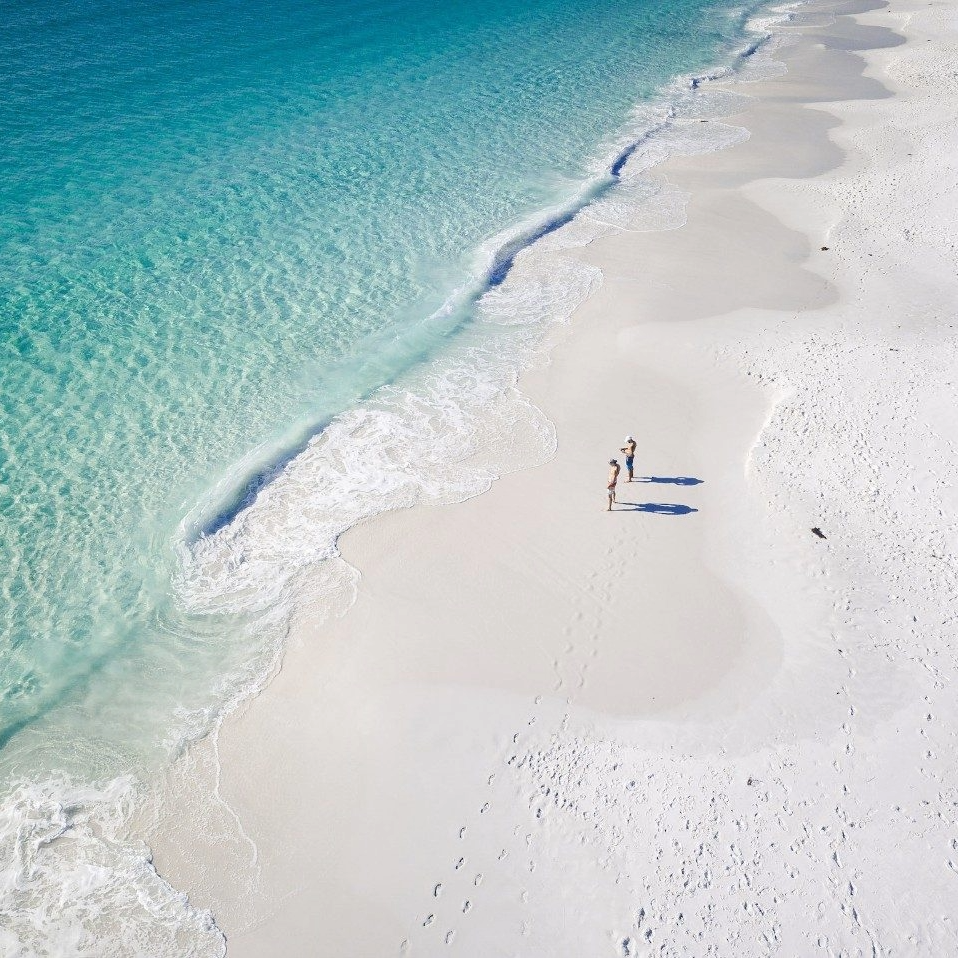
The water in Jervis Bay is some of the clearest and calmest on the NSW coast. Protected from ocean swell by the bay's geography, Hyams Beach offers flat, warm, turquoise water with white sand underfoot. It's shallow enough for children well out from shore and calm enough for confident open-water swimmers to explore the bay. The visibility underwater is exceptional.
Manly Cove, Sydney
While the surf beach at Manly is popular for swimming, Manly Cove — on the harbour side, a short walk from the ferry wharf — offers flat, protected water ideal for lap swimming and casual splashing. The netting keeps the water clear of boats; the harbour views make it one of Sydney's best urban swimming spots.
Mermaid Pool, Blue Mountains
A series of natural rock pools in a sandstone gorge near Blackheath in the Blue Mountains. The walk in through the valley is about an hour each way; the pools at the bottom are cold, clear, and surrounded by towering sandstone walls. A completely different swimming experience from the coast — and a spectacular one.
Champagne Pools, Fraser Island (K'gari), QLD
Technically in Queensland, but worth the trip from NSW. Natural rock pools on the ocean side of Fraser Island, where waves wash over low rock shelves and fill a series of protected pools with clear, slightly foaming water. Swimming in the ocean swell without being exposed to it — a genuinely unusual experience.
Queensland
The Rockpools, Airlie Beach
Airlie Beach has no swimmable beach in the traditional sense — stingers and crocodiles make ocean swimming risky in North Queensland. Instead, the town has built a large, beautifully designed lagoon pool right on the foreshore, open to the public year-round and free to enter. One of the better public swimming facilities in Australia, with the Whitsunday backdrop as a setting.
Lake Eacham, Atherton Tablelands
A volcanic crater lake in the Atherton Tablelands behind Cairns. The water is completely clear, a consistent 24°C year-round, and ringed by rainforest. No saltwater stingers, no crocodiles, no currents. Simply beautiful, calm swimming in a protected national park setting. One of the best freshwater swims in Australia.
Josephine Falls, Wooroonooran National Park
A series of natural waterfall pools in the rainforest south of Cairns. The main falls create a natural water slide over smooth granite into a deep pool below. The surrounding rainforest is pristine and the water runs cold even in the tropical summer. A 45-minute drive from Cairns.
Victoria
Portsea Front Beach, Mornington Peninsula
On the Port Phillip Bay side of the Mornington Peninsula tip, Portsea Front Beach offers calm, warm (by Victorian standards) bay water with good facilities and a patrolled swimming area in summer. The Portsea Hotel nearby makes it an easy full-day trip from Melbourne.
Sorrento Ocean Beach, Mornington Peninsula
On the ocean side, Sorrento Back Beach is more exposed — but the rock pools and natural rock platforms here are exceptional for snorkelling and exploring at low tide. The combination of ocean swell, rock platforms, and kelp forests makes it one of the best snorkelling spots in Victoria.
Werribee Gorge, Western District
A deep basalt gorge with a cold, clear swimming hole at the bottom. The access walk is steep and about 45 minutes each way, which keeps it quiet. The gorge walls tower above the pool; the water is bracingly cold even in summer.
Western Australia
Turquoise Bay, Ningaloo Reef
Covered in the national parks article, but worth repeating — Turquoise Bay is one of the best ocean swimming and snorkelling spots in the world. The reef starts metres from the beach, the water is 27°C from October to April, and the marine life (turtles, manta rays, reef fish) is extraordinary. The drift snorkel, carried gently by the current over the reef, is unlike any other swimming experience in Australia.
Elephant Rocks, William Bay National Park
Three enormous granite boulders sit just offshore in the turquoise water of William Bay, creating a naturally sheltered swimming area that feels like a private pool. The water is clear, the boulders can be climbed, and the surrounding national park is beautiful. Near Denmark in the Great Southern region.
Lake Jasper, D'Entrecasteaux National Park
The largest freshwater lake in southern WA. Surrounded by banksia woodland, the lake has crystal-clear tannin-stained water (dark amber-brown but perfectly clean) and a sandy beach entry. Remote and very rarely busy.
South Australia
Second Valley, Fleurieu Peninsula
A sheltered bay with a limestone jetty, clear gulf water, and a reef suitable for snorkelling directly from the beach. The water is cold by tropical standards but clean and clear, and the small bay is well-protected from swell. Popular with divers and snorkellers.
Moonta Bay, Yorke Peninsula
A gentle, shallow beach on the protected eastern side of Yorke Peninsula. The water warms up quickly in summer and the sandy floor makes it excellent for children and confident swimmers alike. A quintessential South Australian gulf beach experience.
Tasmania
Wineglass Bay, Freycinet
Cold, pristine, and surrounded by some of the most beautiful scenery in Australia. Wineglass Bay is not warm — Tasmanian water rarely exceeds 18°C even in summer — but the clarity and the setting make it one of the most memorable swims in the country. The 45-minute walk to reach it makes it feel earned.
Cataract Gorge, Launceston
A dramatic gorge carved by the South Esk River right at the edge of Launceston's CBD. The First Basin — a wide pool at the base of the gorge — has a swimming area open in summer, a chairlift overhead, and peacocks wandering the surrounding parkland. One of the most unusual swimming settings in Australia.
After Your Swim
Australian UV reflects off the water surface, meaning time spent swimming in open ocean or unshaded rock pools adds significantly to your total UV exposure — even on overcast days. After a long day in and out of the water, your skin needs recovery.
Apply after sun oil within 30 minutes of finishing for the day — it replenishes the moisture barrier stripped by sun, salt, and heat, and makes a noticeable difference by the next morning.
And for the base camp between swims: the XO Beach Blanket is sand-free, fast-drying, and designed to work with your beach umbrella so you come back to proper shade every time you get out of the water.
Read more
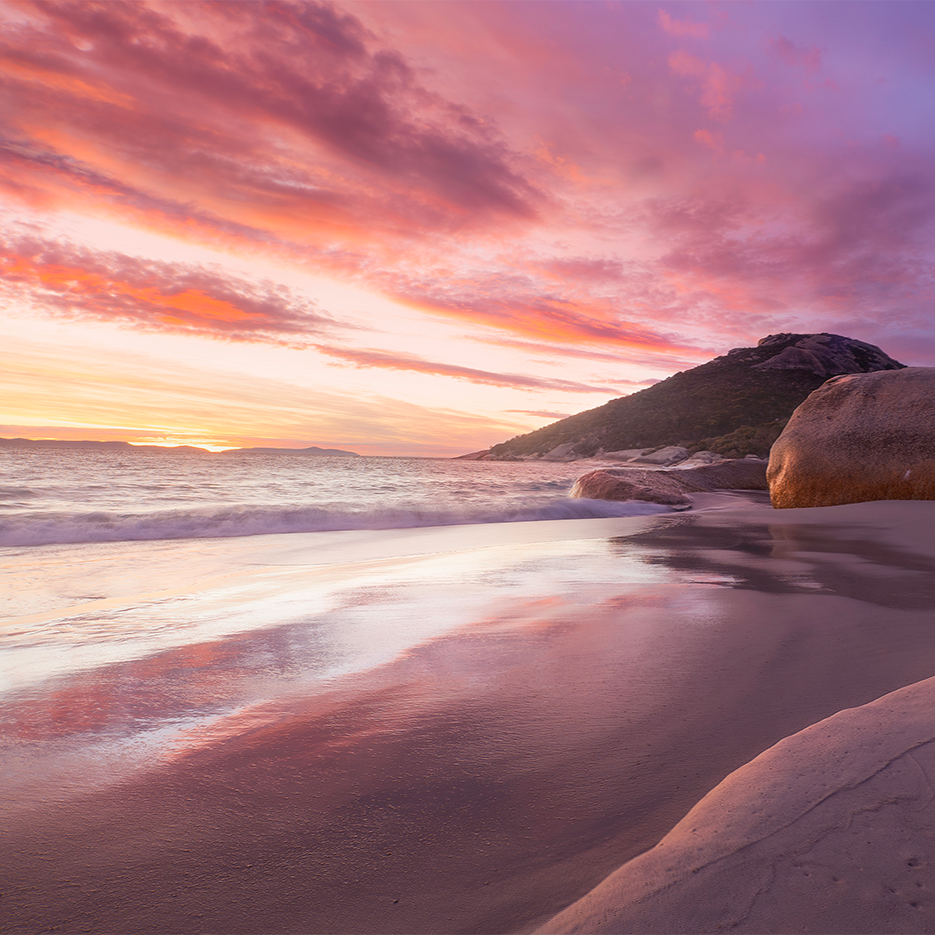
East coast beaches for golden-hour sunrises, west coast classics for sunsets — a guide to Australia's most spectacular beaches at the best time of day.
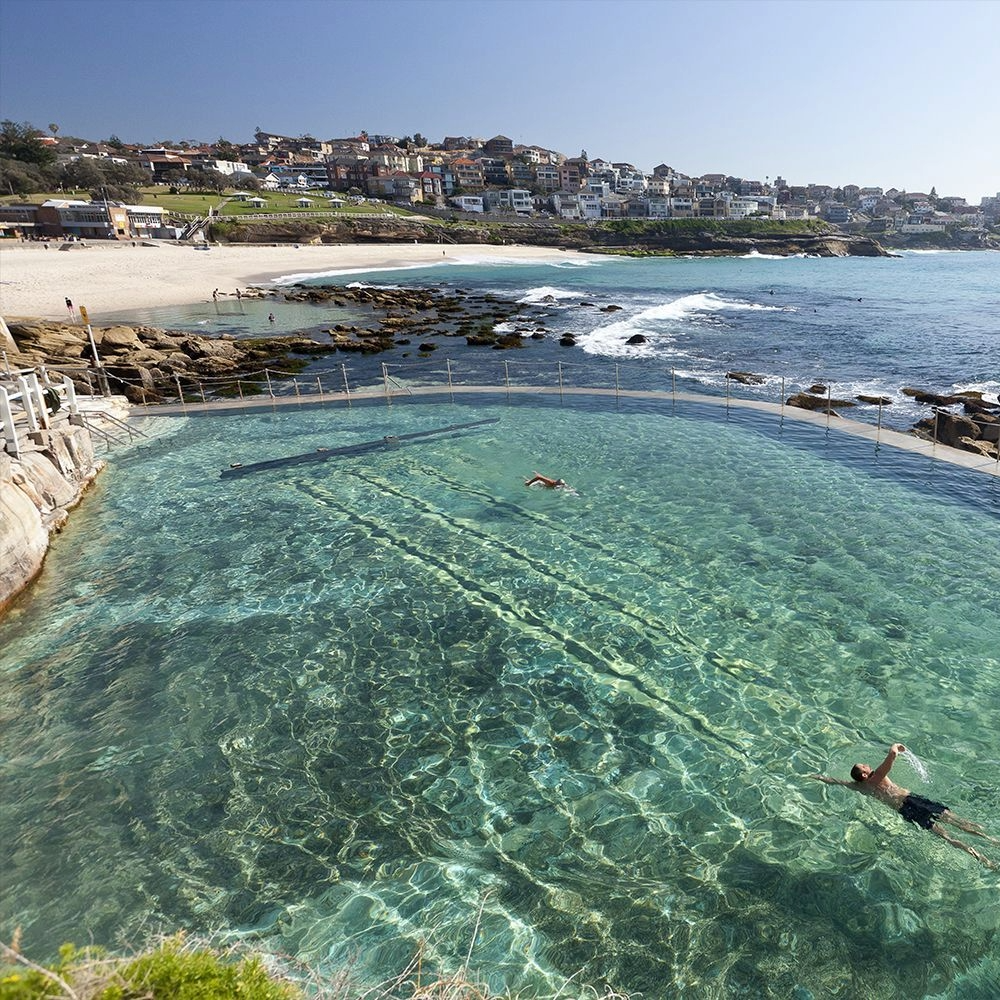
Rock pooling is one of Australia's great coastal activities. A guide to what lives in Australian rock pools, the best spots to explore, and how to do it responsibly.