
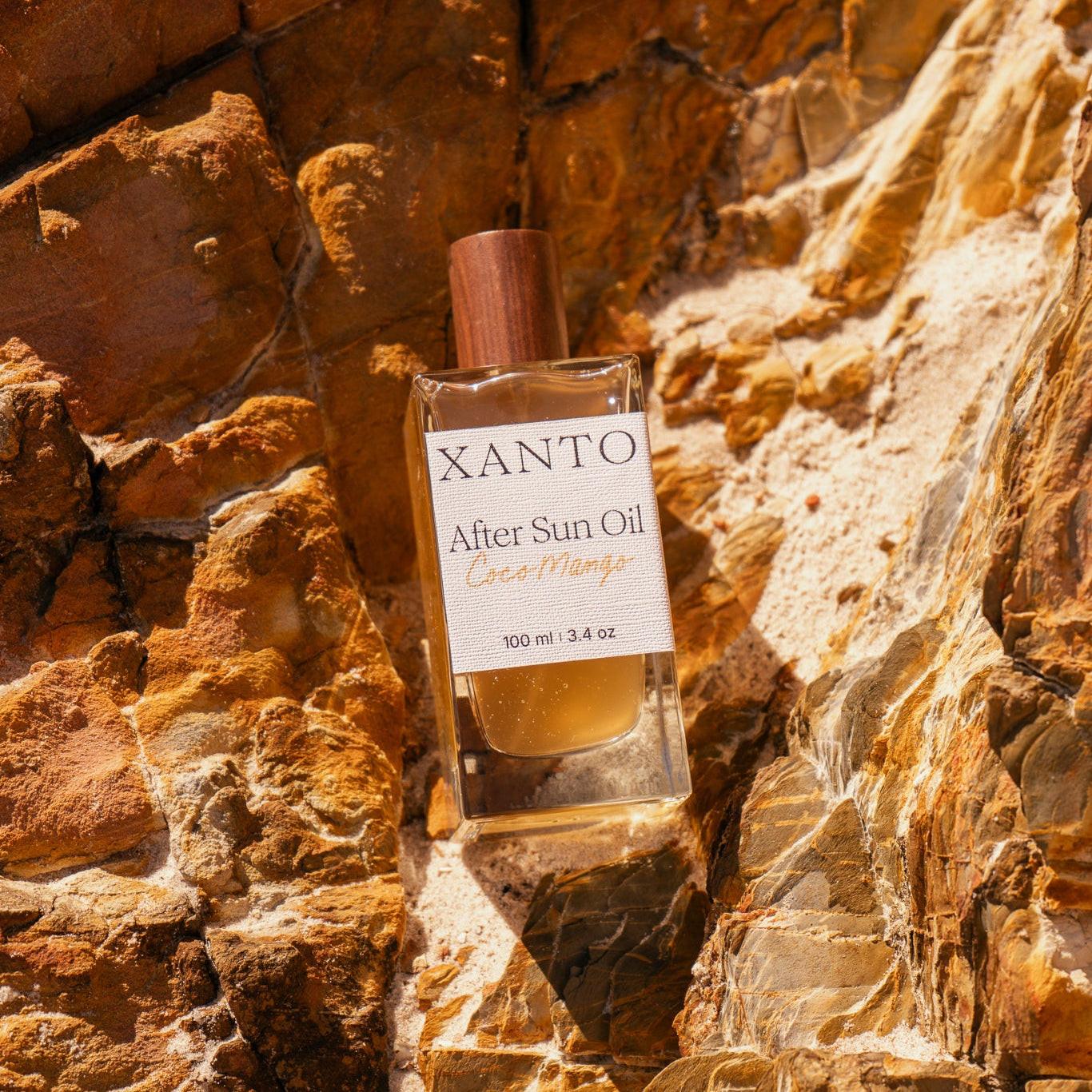
After Sun Oil: Why It Matters and How to Choose the Right One
After Sun Oil: Why It Matters and How to Choose the Right One
Sunscreen gets all the attention. But what you put on your skin after a day in the sun is just as important — and most people skip it entirely.
After sun oil is one of the most underrated parts of a beach skincare routine. It replenishes moisture, calms inflammation, and helps your skin recover from UV exposure so you wake up the next morning without that tight, dry, overcooked feeling. Here's what you need to know.
What Happens to Your Skin in the Sun
Even with sunscreen, a full day at the beach takes a toll. UV radiation breaks down the skin's lipid barrier — the protective layer that locks in moisture and keeps irritants out. Heat and salt water compound this, drawing moisture out of the skin and leaving it depleted.
The visible result is that tight, dry, slightly red feeling you get after a long beach day. The less visible result is ongoing oxidative stress in the skin cells — the process behind premature ageing, pigmentation, and loss of elasticity.
After sun care works by addressing both of these things: replenishing the moisture and lipids the skin has lost, and delivering antioxidants and soothing ingredients that help neutralise oxidative damage.
Why Oil Over Lotion?
After sun products come in many forms — gels, lotions, sprays, and oils. Each has its place, but oil has a few distinct advantages for post-beach skin care.
Faster absorption of active ingredients. Many of the most effective botanical extracts for skin repair — vitamin E, sea buckthorn, rosehip, jojoba — are oil-soluble. They're carried into the skin more effectively in an oil base than in a water-based lotion.
Better barrier restoration. The skin's own protective barrier is lipid-based. Applying a quality oil directly replenishes these lipids, helping the barrier reform faster.
No fillers. Lotions and gels are typically 60–80% water, with the active ingredients making up a small fraction. A well-formulated oil delivers more of what your skin actually needs, in a smaller amount.
Lightweight feel. A common misconception is that oil will feel greasy. A good after sun oil absorbs quickly and leaves skin feeling nourished, not heavy.
Key Ingredients to Look For
Jojoba oil
Structurally similar to the skin's own sebum, jojoba is exceptionally well-tolerated and absorbs without clogging pores. It's one of the best base ingredients for after sun oils because it replenishes moisture while mimicking the skin's natural oils.
Vitamin E (tocopherol)
A potent antioxidant that neutralises free radicals generated by UV exposure. Vitamin E also supports skin healing and helps reduce the appearance of sun damage over time.
Sea buckthorn
Rich in omega fatty acids and carotenoids, sea buckthorn has strong anti-inflammatory properties and helps calm redness after sun exposure. It's particularly effective for skin that's been in strong sun.
Rosehip oil
High in vitamin A and essential fatty acids, rosehip supports cell regeneration and helps address hyperpigmentation and uneven skin tone — both common results of repeated sun exposure.
Aloe vera extract
One of the most well-known soothing ingredients, aloe helps reduce inflammation and redness. In an oil formula, it's typically included as an extract rather than a gel, contributing calming benefits alongside the lipid-replenishing base.
What to Avoid
Not everything marketed as "after sun" is actually good for your skin. Ingredients worth avoiding:
- Alcohol — often included as a preservative or for a "cooling" effect, but it strips moisture and irritates already-compromised skin
- Synthetic fragrance — a common irritant, particularly on sun-exposed skin
- Mineral oil / petroleum derivatives — sit on top of the skin rather than absorbing, blocking the skin's ability to breathe and repair
How to Use After Sun Oil
Timing matters. The ideal window to apply after sun oil is within 30 minutes of coming out of the sun — before your skin has fully dried and while your pores are still slightly open from warmth. This allows better absorption and gives the ingredients more time to work.
Apply to slightly damp skin (just after a rinse or shower) for best results. Work it in from shoulders to feet — don't forget the tops of your feet, shoulders, and décolletage, which tend to take the most direct sun.
A little goes a long way. Start with a small amount and build up — you want the oil to fully absorb, not sit on the surface.
After Sun Oil as Part of a Bigger Routine
After sun oil works best as part of a consistent routine rather than a one-off product. Regular post-sun care over a season makes a noticeable difference to skin texture, tone, and resilience. Skin that's well looked after recovers faster and shows the cumulative effects of sun exposure less.
Think of it the same way you think about sunscreen — not something you reach for when you've already gone too far, but a daily part of how you take care of your skin through summer.
Shop Xanto After Sun Oil
Xanto's after sun oil is formulated specifically for Australian conditions — intense UV, long beach days, and skin that needs real recovery, not just a surface fix. It's lightweight, fast-absorbing, and made without the fillers and synthetic fragrances found in most mass-market after sun products.
Read more
Beach blanket or beach towel? Here's an honest comparison — what each does well, where they fall short, and what most Australians actually need for a proper day at the beach.

From Sydney Harbour foreshores to Queensland hinterland lookouts — a state-by-state guide to Australia's best picnic spots and what to bring for the perfect setup.