
The Best Road Trip Beaches in Western Australia
The Best Road Trip Beaches in Western Australia: A Coast-by-Coast Guide
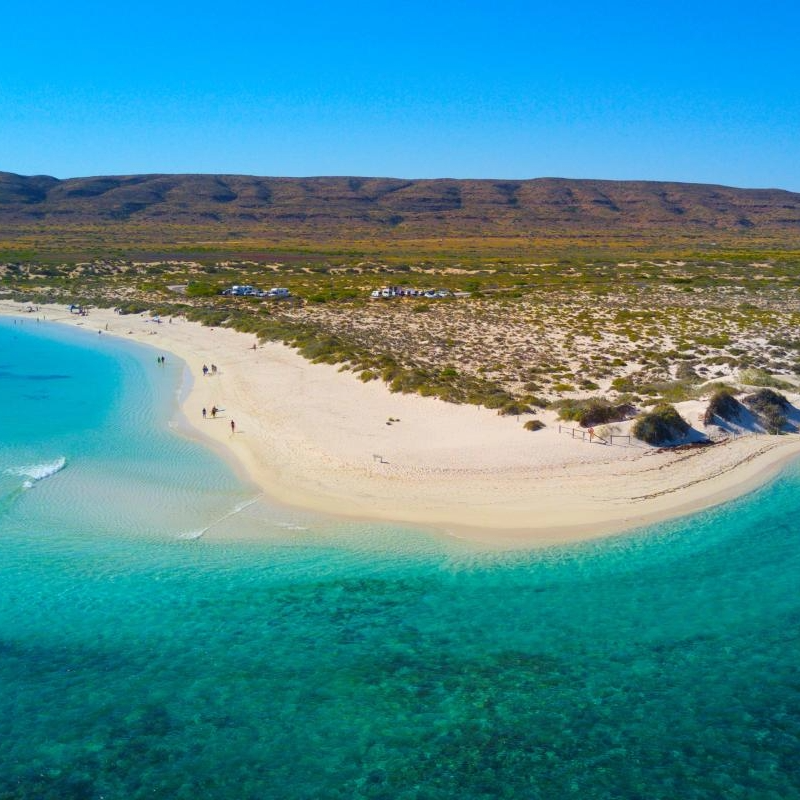
Western Australia has more coastline than most countries have land. Over 12,000 kilometres of it, almost all spectacular, much of it empty enough that you can walk for hours without seeing another set of footprints. A WA beach road trip is one of the great Australian travel experiences — turquoise water, white sand, red cliffs and the kind of remoteness that's increasingly hard to find on the east coast.
Whether you're heading north from Perth into the Coral Coast, south to the Margaret River wine country or going long for the Kimberley, here are the beaches worth structuring your trip around.
Heading south from Perth: the South West loop
The classic three-to-five-day loop from Perth, mixing wineries, surf and forest.
1. Meelup Beach, Dunsborough
A sheltered, north-facing cove with crystal water and granite headlands, Meelup is the family-friendly star of the Cape Naturaliste region. Calm enough to swim, beautiful enough to linger.
Picnic notes: Shaded grass area behind the sand with picnic tables. Pack a blanket and an umbrella — the natural shade is limited at midday.
2. Bunker Bay, Naturaliste
A long, gentle arc of white sand backed by the Cape Naturaliste headland. Bunker Bay has the postcard look and feel that defines the South West — turquoise water, soft sand, dramatic coastline at both ends.
Picnic notes: Set up near the western end for natural shade from the headland. The walk to Sugarloaf Rock at sunset is essential.
3. Hamelin Bay, Karridale
Hamelin Bay is famous for the stingrays that cruise the shoreline at dawn and dusk — large, calm, surprisingly close. The water is clear, the sand is white and the experience of standing knee-deep with a stingray gliding past is genuinely unforgettable.
Picnic notes: Limited facilities — bring everything. The beach itself has no shade, so a beach umbrella with sand pegs is essential.
4. Greens Pool, William Bay National Park
About four hours south of Perth, Greens Pool is one of WA's most photographed beaches for good reason. A natural rock pool sheltered from the open ocean by a wall of granite boulders, with turquoise water so clear it doesn't look real.
Picnic notes: No facilities at the beach itself. Set up on the rocks or the sand inside the pool — the granite boulders provide natural windbreaks.
5. Lights Beach, Denmark
Wild, dramatic and almost always empty. Lights Beach is what the WA south coast does best — kilometres of untouched sand backed by heath-covered dunes, with the Southern Ocean rolling in from Antarctica.
Picnic notes: Bring everything. No shade, no facilities, total exposure. A sand-free blanket with weighted corners and a proper sand-pegged umbrella are non-negotiable here.
Heading north from Perth: the Coral Coast
The longer, wilder road trip that runs from Perth up to Exmouth and the Ningaloo Reef.
6. Lancelin Beach
Two hours north of Perth, Lancelin is where the Indian Ocean meets the famous Lancelin dunes. The beach itself is wide, white and shallow — perfect for kids — with the dunes rising dramatically behind.
Picnic notes: Easy access, plenty of space. Set up near the southern end for the calmest water.
7. Hangover Bay, Nambung National Park
Inside the same national park as the Pinnacles, Hangover Bay is a quiet, white-sand cove that locals love and tourists often miss. Calm water, dolphins on a good day, and dramatic limestone formations at the headland.
Picnic notes: Picnic tables and BBQs behind the beach. Excellent stopover on the drive north from Perth.
8. Cervantes & Hangover Bay area
Stop in Cervantes for the famous crayfish, then drive on for the beaches. The whole stretch of coast here is dotted with quiet white-sand bays — pull off the highway, follow any sandy track, and you'll likely find your own private beach.
9. Kalbarri Beaches
The town of Kalbarri sits where the Murchison River meets the Indian Ocean, six hours north of Perth. The coastline here shifts from soft sand to dramatic red sandstone cliffs that drop straight into turquoise water. Pot Alley and Mushroom Rock are the photographer's picks; the town beach is the family one.
Picnic notes: Sun protection is critical this far north — the UV index is significantly higher than in Perth.
10. Turquoise Bay, Cape Range National Park
Twelve hours north of Perth, Turquoise Bay is regularly voted one of Australia's best beaches — and it earns it. White sand, water the colour of a swimming pool, and Ningaloo Reef accessible directly from the shore. Drift snorkelling here is one of Australia's great underwater experiences.
Picnic notes: Pack everything — limited facilities. A beach umbrella is essential; the sun this close to the tropic is brutal.
11. Coral Bay
A small town wrapped around one of the most accessible sections of Ningaloo Reef. The main beach is calm, shallow and tropical, with coral gardens snorkellable straight from the sand.
Picnic notes: Town has shops and cafés, so resupply is easy. Reef-safe sunscreen is non-negotiable — Ningaloo is one of the world's great reef ecosystems.
Beyond the classics: the long ones
12. Cable Beach, Broome
Cable Beach is the famous one — 22 kilometres of white sand on the edge of the Kimberley, with camel trains crossing at sunset and turquoise water that turns gold in the late afternoon. The image of WA, distilled.
Picnic notes: Sunset is when this beach earns its reputation. Bring a blanket, find a spot away from the camel route, and let the sky do its thing.
13. Lucky Bay, Esperance
Eight hours south-east of Perth, Lucky Bay is the beach that regularly tops lists of the whitest sand in Australia. Kangaroos sometimes sun themselves on the sand. The water is impossibly clear. The drive is long — and worth it.
Picnic notes: Limited facilities. The campground behind the beach is one of the best in the country for those who want to wake up here.
Planning a WA beach road trip: the practical stuff
Distances are real
Western Australia is enormous. Perth to Broome is over 2,200km. Perth to Esperance is 700km. Don't underestimate drive times — country roads, fuel stops and the occasional roo crossing will slow you down.
Fuel up early and often
Some stretches between towns are 200km+ with no services. Always fill up when you can, not when you need to.
Pack for self-sufficiency
Many of the best WA beaches have no facilities at all. Bring water, food, shade, sun protection and a sand-pegged umbrella that can handle wind. Our beach day packing list covers the essentials.
Sun protection isn't optional
WA's UV index runs higher than the east coast. Sunscreen, hats, rashies and shade are essential, not nice-to-have. Our sun safety guide has the full breakdown.
Respect Aboriginal land
Much of WA's most beautiful coastline is on country with deep cultural significance. Read the signs, follow the rules, and treat the land with the respect it's owed.
The essential road trip kit
A few things that make WA road trip beaches significantly more enjoyable:
- A sand-free beach blanket that handles the wind and shakes out clean — these beaches are often windy and remote, and a heavy picnic rug is a liability
- A proper beach umbrella with sand pegs — most WA beaches have no natural shade
- An esky or soft cooler with plenty of water
- Reef-safe SPF 50+ sunscreen, ideally Australian-made
- After sun oil for the inevitable end-of-day skincare moment
- A sturdy hat and rashie for snorkelling and beach exposure
- A reusable water bottle for everyone in the car — you'll be drinking constantly
For a complete beach day kit list, see our beach day packing list.
When to go
The South West and Esperance: December to April is best — warm, dry, swimmable. Winter months are wild and dramatic but cold for swimming.
The Coral Coast: April to October is ideal. Summer (December to February) is too hot for most travellers — temperatures regularly hit 40°C+ and cyclone season runs December to April.
Broome and the Kimberley: May to October (dry season). Wet season is for adventurers and locals who know what they're doing.
A final thought
A WA beach road trip is a slower, wilder, emptier kind of beach experience than anywhere else in Australia. Long drives, big skies, beaches with nobody on them, and water that doesn't look real. Pack well, plan the distances and give yourself enough time to slow down once you arrive.
Plant the umbrella. Lay out the blanket. And let one of the most extraordinary coastlines in the world do the rest.
Read more
practical guide to taking a baby or toddler to the Australian beach. Sun safety, kit list, timing tips and how to actually enjoy the day.
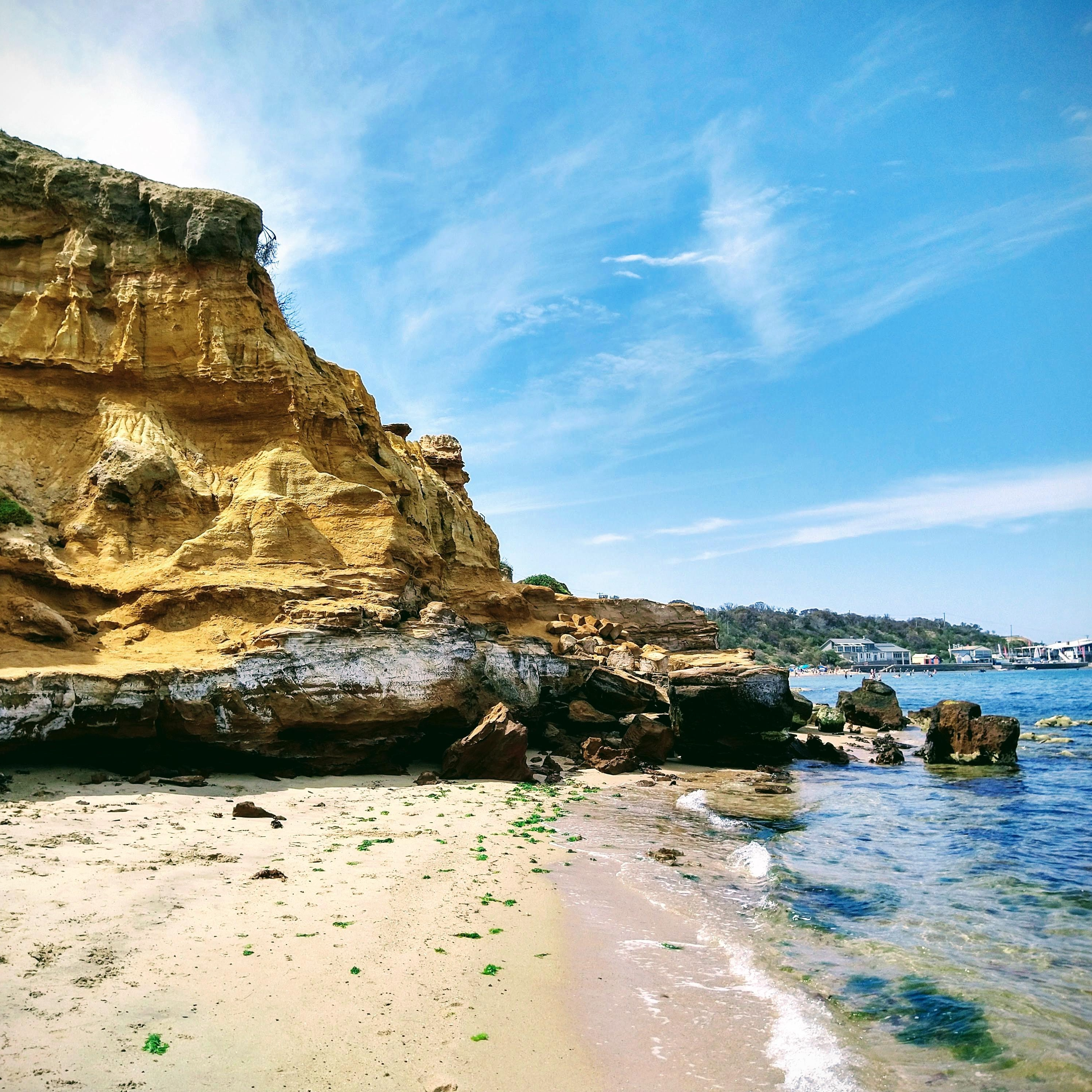
A practical guide to the best beaches in Melbourne and Victoria for picnics, swimming and day trips. Bay beaches, Mornington Peninsula, Great Ocean Road picks with picnic notes.