
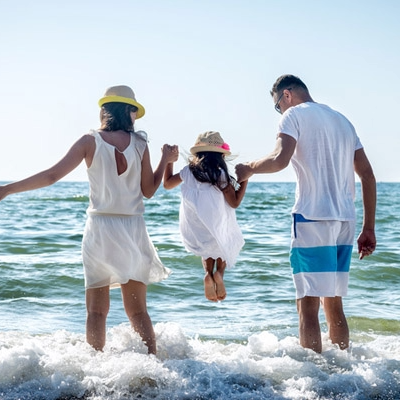
Beach Day with a Baby or Toddler: A Practical Aussie Parent's Guide
Beach Day with a Baby or Toddler: A Practical Aussie Parent's Guide
Taking a baby or toddler to the beach for the first time feels like packing for a small expedition. Sun, sand, water, naps, snacks, the inevitable meltdown — there's a lot to think about. Done right, it's one of the most magical days of early parenthood. Done wrong, you'll be home by 10:30am wondering why you bothered.
Here's the practical, been-there-done-that guide to making it work.
Before you go: timing matters most
The single biggest factor in a successful beach day with little ones is timing. Get this right and everything else gets easier.
Aim for the early morning — arrive between 7am and 9am. The sun is gentler, the sand is cooler, the beach is quieter and your child's most cooperative hours of the day are still ahead of you.
Or the late afternoon — from about 4pm onwards, the heat eases, the crowds thin and the light is beautiful.
Avoid the 10am–3pm window in summer. Peak UV, peak heat, peak crowds, peak meltdown risk. Even with all the gear, this window is unforgiving for under-fives.
What to bring: the under-three beach kit
The kit is the difference between a calm morning and a frantic one. The essentials:
Sun protection (non-negotiable)
- UPF 50+ rashie and swim shorts for kids over 12 months
- A wide-brim hat with a chin strap so it actually stays on
- Reef-safe SPF 50+ sunscreen for any exposed skin
- A beach umbrella for guaranteed shade — they need it more than you do
- A baby tent or pop-up sun shelter for under-ones (full coverage)
For babies under 12 months, keep them out of direct sun entirely. Shade, clothing and a hat — sunscreen is a last resort, not a first.
Setup
- A sand-free beach blanket large enough for everyone plus toys. Our XO Beach Blanket at 2m x 2m fits two adults and two little ones with room for the picnic in the middle.
- A small spare blanket or muslin as a clean changing surface
- A picnic cooler bag for milk, water, snacks
Clothing & changes
- Two changes of clothes per child. Wet swim, sandy outfit, dry change. You'll use all of them.
- Swim nappies if applicable — pack at least two more than you think you need
- A warm layer for the drive home if your child tends to fall asleep cold
Food & water
- Frozen water bottles that double as cool packs and slowly melt into cold drinks
- Cut fruit (watermelon, grapes, berries — easy to eat with sticky hands)
- Simple sandwiches or wraps that don't fall apart
- Snacks that don't melt — rice cakes, crackers, dried fruit, not chocolate
The "I forgot it" rescue kit
- Wet wipes (many)
- A small first aid kit (band-aids, antiseptic, painkillers for you)
- A plastic bag for wet swimmers and rubbish
- A small bottle of fresh water for rinsing sandy faces and feet
For a fuller list of beach gear, our beach day packing list covers everything.
Setting up at the beach
A few rules learned the hard way:
1. Put the shade up first. Always. Before anything else. Get the umbrella planted and tilted properly (see our umbrella setup guide) before the kids hit the sand. Tired toddlers in direct sun is the fastest way to ruin a beach day.
2. Lay out the blanket around the umbrella. The XO Beach Blanket's patented velcro slit means you can fit the blanket around an already-planted umbrella pole — no dismantling, no awkward rearranging. The shaded zone underneath becomes a built-in nap spot, snack zone and meltdown recovery area.
3. Pick a spot near the water but not in it. Far enough back that the incoming tide won't surprise you. Close enough that a toddler can run between the blanket and the water in seconds. Five to ten metres from the wet sand is usually the sweet spot.
4. Create zones. Snacks and quiet stuff in the centre of the blanket. Wet swimmers and sandy toys at the edge. Phones, keys and wallets in the cooler bag so they don't get buried in the sand.
In the water with little ones
Babies and toddlers love water but have zero awareness of danger. The rule is constant adult attention — phones away, eyes on, hands close.
For babies under 12 months: A brief dip in a calm, shallow rock pool or the shore is plenty. The water doesn't need to be deeper than their feet for them to enjoy it.
For toddlers: Hold their hand for any wave or surf. Even small dump waves can knock a toddler over. Reef shoes protect little feet from hot sand and rocky entries.
Always swim between the flags at patrolled beaches.
The nap problem
Most under-threes still need a sleep, and beaches are loud, bright, exciting environments — not naturally restful. A few tricks:
- Plan around their sleep window. A 9am beach trip works if they're going to sleep at 11. A 10am trip when they're due to sleep at midday is going to be hard.
- Make the blanket-under-the-umbrella a sleep zone. Dim, sheltered, breeze blocked by the umbrella. Some kids will conk out here happily.
- Be ready to leave when sleep is non-negotiable. No beach day is worth a 4pm overtired meltdown.
- Pram on the boardwalk can be a backup nap location for stubborn cases.
After the beach
The post-beach routine matters as much as the beach day itself.
- Rinse off at the public showers if available. A salt-and-sand-free kid is a happier kid in the car.
- Change into dry clothes before the drive. Damp swimmers in air conditioning is the recipe for a grumpy ride home.
- Apply after sun oil to little ones' skin in the evening. Even with sunscreen, salt and sun dry skin out. A nutrient-rich oil restores moisture and helps them sleep more comfortably.
- Get them showered properly at home — sand has an uncanny ability to migrate from skin to bed sheets.
Common mistakes
- Going at the wrong time (see: timing matters most)
- Underestimating how much shade kids need. They need significantly more sun protection than you do.
- Bringing the wrong food. Anything that melts, anything in glass, anything fancy.
- Forgetting water. For drinking and for rinsing.
- Staying too long. A great two-hour beach day beats a miserable four-hour one. Leave while everyone's still happy.
A final thought
A beach day with little ones isn't the relaxed, magazine-cover version of beach days you remember from before kids. It's louder, sandier and shorter. But done well, it's also one of the best things you can give a young child — water, sand, sky, freedom. The setup just takes a bit more thought.
Plant the umbrella. Lay out the blanket. Bring the snacks. And remember: 9am to 11am is plenty.
Read more
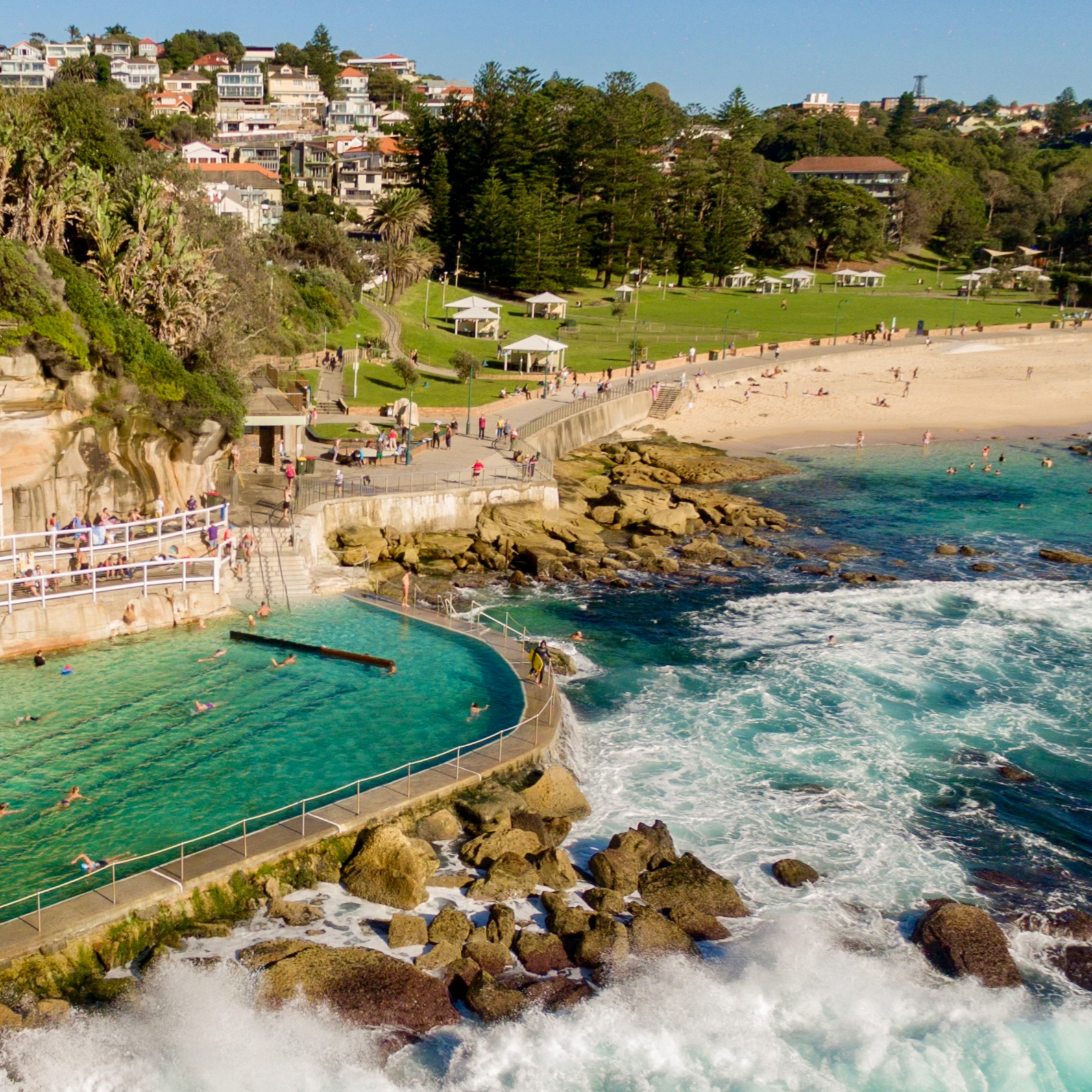
A practical guide to the best beaches near Sydney for picnics, swimming and day trips. Local picks from Bondi to Wattamolla with picnic notes for each.
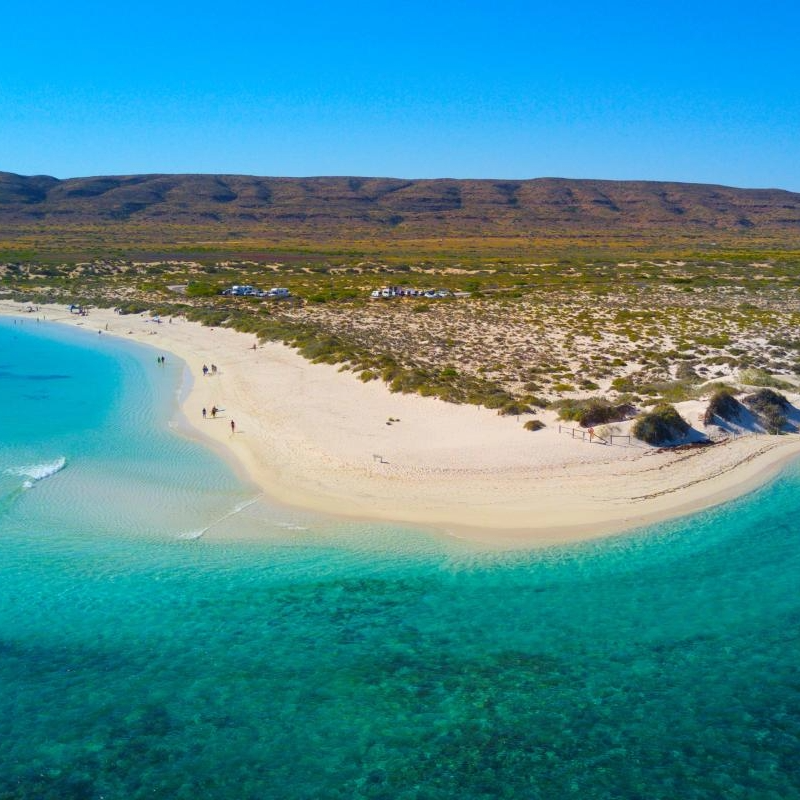
A practical guide to the best beaches for a Western Australia road trip — from the South West to the Coral Coast to Broome. Local picks, picnic notes, planning tips.