

What to Wear to the Beach in Australia: A Practical Style Guide
What to Wear to the Beach in Australia
Dressing for the beach in Australia is a balance between looking good and surviving the conditions. The UV index regularly hits extreme levels, the sand is fine enough to get into everything, and the walk from the car park to the water can be long and hot.
Here's a practical breakdown of what actually works.
Swimwear
One-pieces vs bikinis
Both work — it comes down to what you're doing. If you're spending more time in the water, a one-piece or a secure bikini top is more practical. If you're mostly lying on a blanket, either works. The resurgence of the one-piece over the past few years has also brought with it a lot of genuinely stylish options that work as both swimwear and a beach cover-up.
Rash vests
Underrated by many, essential if you're serious about sun protection. A long-sleeve rash vest with UPF 50+ effectively blocks sun from your arms, shoulders, and torso — the areas that take the most direct exposure on a beach day. Modern rash vests are lightweight, fast-drying, and come in cuts that look good in and out of the water. Recommended for anyone spending more than a couple of hours in the sun.
Swim shorts and board shorts
The standard for men, and now widely worn by women too. The key distinction: board shorts are designed for surf and tend to run longer; swim shorts are shorter and faster-drying. For casual beach days, either works. For surfing or active water sports, board shorts hold up better.
Sun Protection Clothing
Hats
A broad-brim hat — at least 7–8 cm brim — provides meaningful shade for your face, ears, and neck. The Akubra and its variations are classic for a reason. For the beach specifically, a straw or woven hat lets air circulate; canvas and cotton hats tend to hold heat.
Bucket hats have made a genuine comeback and work well at the beach — the all-around brim covers your neck without the wind-catching profile of a wide-brim hat.
Linen shirts and cover-ups
A linen or cotton-gauze shirt over your swimwear is one of the most versatile pieces for a beach day. It provides sun protection without overheating, works over a wet swimsuit, and transitions easily from beach to café or market without looking underdressed. Loose-fitting is better than structured — you want airflow.
Long-sleeve cover-ups and kaftans
The kaftan has had a long association with beach culture for good reason. A lightweight kaftan or maxi cover-up provides full-body sun coverage, packs into nothing, and dries quickly if it gets wet. Look for open weaves and natural fibres.
Footwear
Thongs
The Australian default — and for good reason. Thongs (flip flops) work on sand, dry instantly, and slip on and off without effort. The key is fit: a thong that bends too easily underfoot offers no support for longer walks. Leather or moulded-foam soles last longer than thin rubber.
Sandals
For beach towns, markets, or anywhere you're walking beyond the sand, a simple leather or sports sandal is more comfortable than thongs for longer distances. Look for soles that can handle getting wet.
Water shoes
Worth considering if you're at a rocky beach or reef location. They protect your feet from rocks, coral, and hot sand on longer walks from the car park.
Accessories
Sunglasses
Polarised lenses are the difference on Australian beaches. The glare off sand and water is intense — polarised lenses cut through it significantly more effectively than standard tinted lenses. For all-day beach use, wraparound styles provide better side coverage.
A beach bag that works
A bag that can handle damp towels, sandy sunscreen, and a sandy blanket without falling apart. Canvas or mesh is preferable to leather at the beach; look for a bag large enough to hold a rolled-up blanket without straining the straps.
Jewellery
Minimal is practical. Salt water degrades most metals over time. If you're planning to swim, leave the finer pieces at home. Simple gold or stainless pieces that can handle salt exposure are the better call.
Sun Protection: The Basics
Clothing alone isn't enough. A full beach-day sun protection routine in Australia looks like:
- Sunscreen SPF 50+ applied 20 minutes before going outside and reapplied every two hours — and immediately after swimming
- Broad-brim hat whenever you're out of the water
- UPF 50+ rash vest or shirt for extended sun exposure
- Sunglasses with UV400 rating
- Shade — a beach umbrella or natural shade during the middle of the day (10am–3pm peak UV window)
- After sun care — applying a nourishing after sun oil when you're done for the day helps your skin recover from UV exposure and prevents that tight, dry feeling the next morning
What to Pack in Your Beach Bag
Once you've got the outfit sorted, the kit that goes with you matters as much. A proper beach day in Australia typically means:
- SPF 50+ sunscreen (and enough to reapply)
- A sand-free beach blanket — the XO Beach Blanket packs down small and keeps sand off your towel and belongings
- A beach umbrella with a UPF 50+ canopy
- After sun oil for the end of the day
- Water — more than you think you need
- A hat that won't blow away
The Bottom Line
Dressing for an Australian beach day is really about two things: staying comfortable in intense heat and UV, and being practical enough that sand, water, and sun don't ruin everything you've brought. Lightweight natural fibres, UPF-rated sun protection, and the right accessories make the difference between a long enjoyable day and cutting it short.
Browse the full Xanto range at xanto.com.au.
Read more
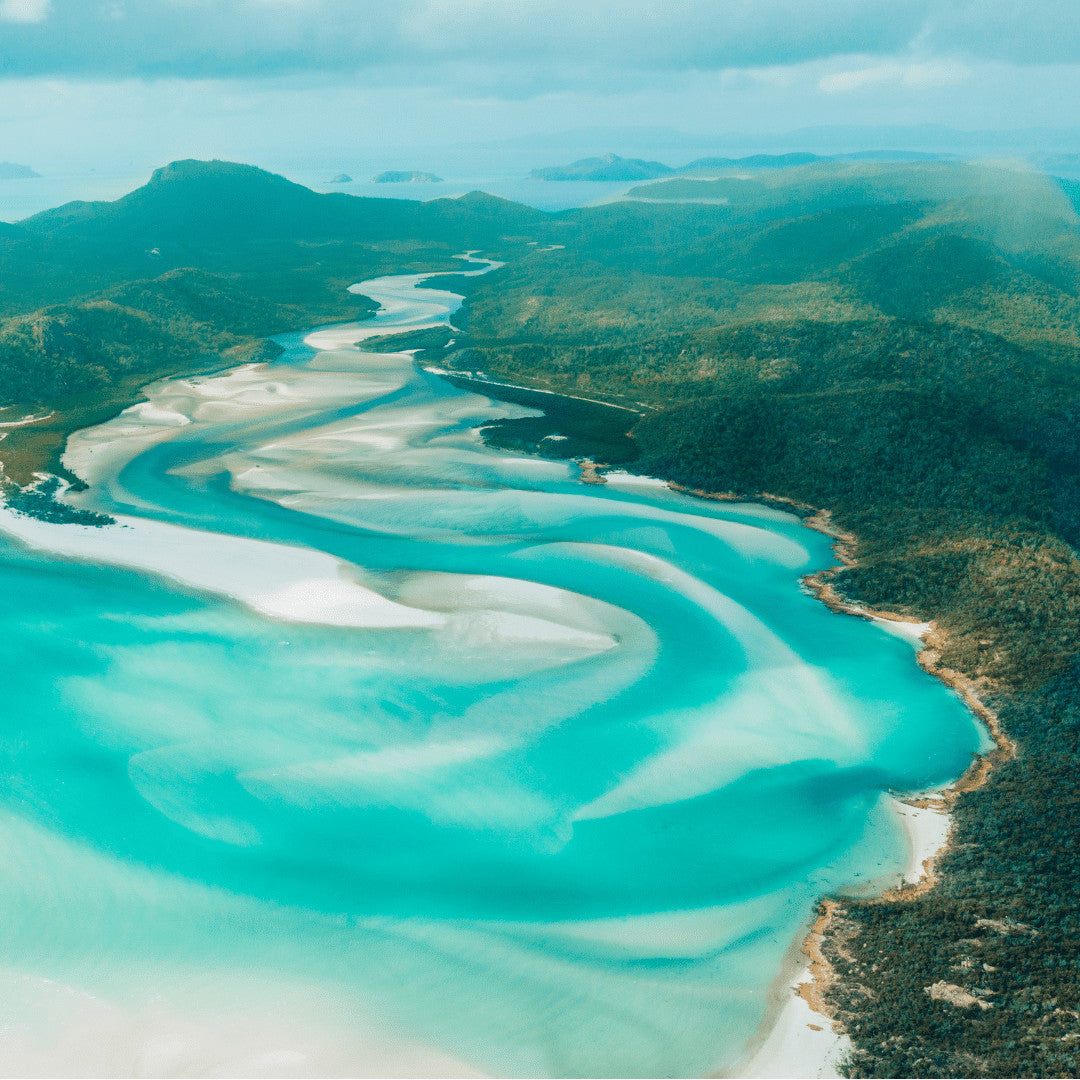
From Whitehaven to Cottesloe, Byron to the Mornington Peninsula — a guide to Australia's best beaches by state, and what makes each one worth the trip.
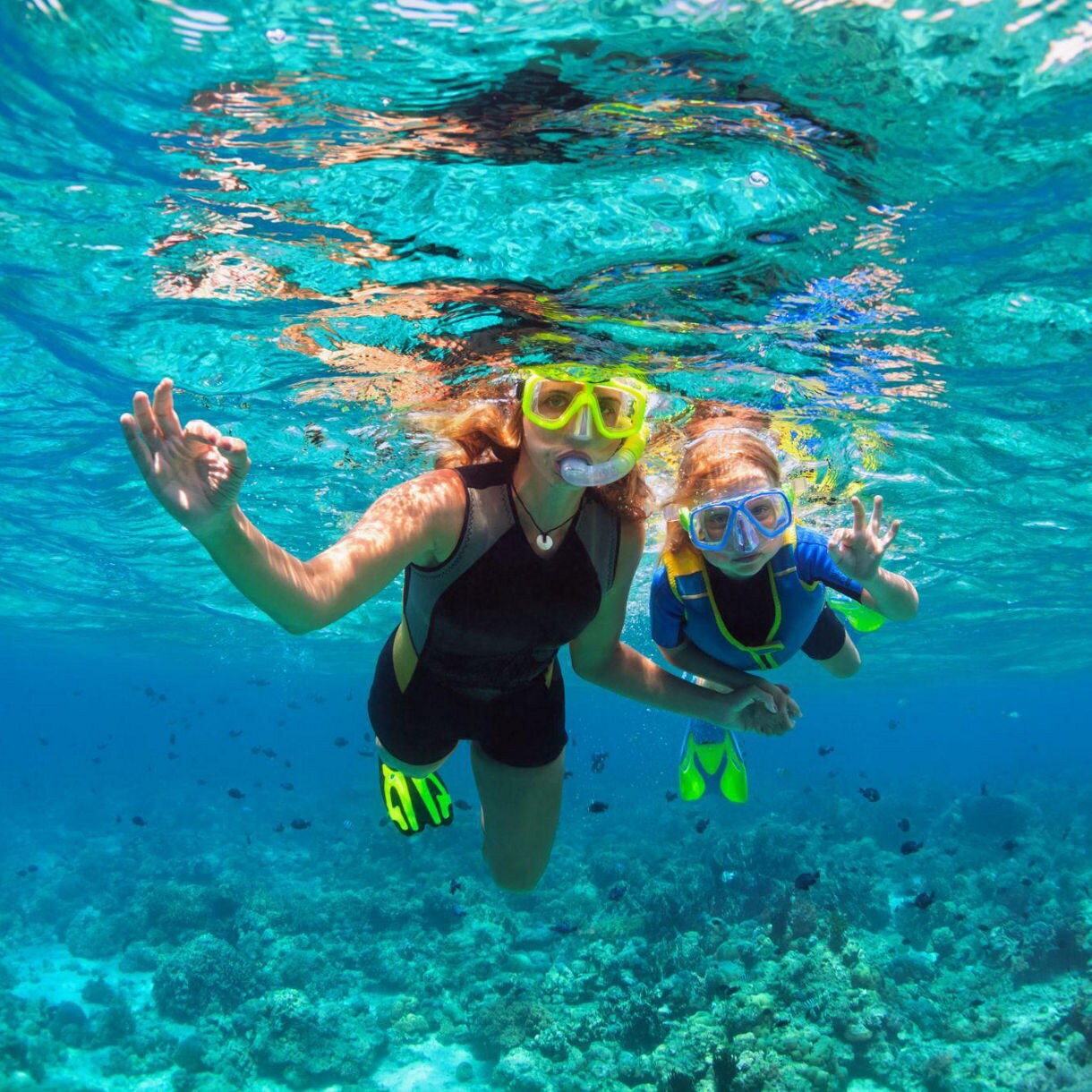
From surfing and snorkelling to beach picnics and sunrise walks — a guide to making the most of a beach day in Australia, whatever your pace.