
Marine Animals in Australia: What You Can See and Where
Marine Animals in Australia: What You Can See and Where
Australia's coastal waters are among the most biodiverse on the planet. The country sits at the convergence of the Indian and Pacific Oceans, with coastline stretching from tropical reef systems in the north to the cold, nutrient-rich Southern Ocean in the south. The result is an extraordinary range of marine life — some of it found nowhere else on earth.
Here's a guide to the marine animals you're most likely to encounter around the Australian coast, and the best places to find them.
Humpback Whales
Australia's most celebrated marine spectacle. Every year, approximately 40,000 humpback whales migrate north along the east and west coasts between June and November, travelling from their Antarctic feeding grounds to the warm tropical waters of Queensland and WA to breed and calve.
The migration is visible from headlands and beaches along both coasts, but the best viewpoints are from elevated promontories where the angles are right for spotting spouts and breaches.
Best places to see them:
- Cape Byron, NSW — The easternmost point of mainland Australia sits directly on the east coast migration route. The lighthouse walk gives elevated views over the water; humpbacks are visible from the headland almost daily during peak season (July–October).
- Head of Bight, SA — The Great Australian Bight is one of the world's most important southern right whale nurseries. From June to October, southern right whales (not humpbacks) gather directly below the cliffs to calve, visible from the clifftop viewing platforms above.
- Hervey Bay, QLD — Known as the "whale watching capital of Australia." Humpbacks rest in the sheltered bay during their migration, making sustained surface activity — breaches, tail lobs, and spy hops — common.
- Exmouth, WA — Humpbacks pass through the Exmouth Gulf on the west coast migration. Whale watching boat tours from Exmouth run June to November.
When: June to November on the east coast; June to October on the west coast.
Dolphins
Australia has multiple dolphin species in its coastal waters, and encounters — both from the shore and in the water — are genuinely common.
The bottlenose dolphin is the most frequently seen species along the east and west coasts, regularly surfing in the breaking waves at popular surf breaks. Pods travel close to shore, making headland watching a reliable way to spot them.
Best places to see them:
- Byron Bay, NSW — One of the most reliable dolphin-watching spots in Australia. Pods of bottlenose dolphins are visible from the Cape Byron headland most mornings, and they regularly surf in the breaks off Wategos and The Pass.
- Monkey Mia, WA — One of the world's most famous dolphin interactions. A small pod of wild bottlenose dolphins has been visiting the beach at Monkey Mia since the 1960s. Rangers conduct twice-daily feeding interactions from the shore — a genuine wildlife experience.
- Port Stephens, NSW — Home to one of the largest resident dolphin populations in Australia. Bottlenose dolphins live year-round in the protected bay; boat tours and kayak tours operate daily.
- Bunbury, WA — Similar to Monkey Mia, wild dolphins visit the Bunbury Dolphin Discovery Centre beach, with supervised in-water interactions available.
When: Year-round.
Sea Turtles
Six of the world's seven sea turtle species nest on Australian beaches — the largest nesting aggregation of any country on earth. Green turtles, loggerheads, flatbacks, leatherbacks, hawksbills, and olive ridleys all use Australian coastline.
Best places to see them:
- Mon Repos, QLD — The most accessible turtle nesting experience in Australia. The Mon Repos Conservation Park near Bundaberg runs ranger-guided turtle watching tours from November to March, during which nesting females and newly hatched turtles returning to the sea can be observed. Bookings essential.
- Exmouth and Ningaloo Reef, WA — Green and loggerhead turtles nest on the beaches around Exmouth, and in-water encounters while snorkelling at Ningaloo are extremely common — turtles feeding on the reef are a regular sighting.
- Heron Island, QLD — A coral cay on the southern Great Barrier Reef, Heron Island has significant green turtle nesting. In-water encounters while snorkelling directly off the island are frequent from November to March.
When: Nesting season November to March; in-water encounters year-round at reef locations.
Whale Sharks
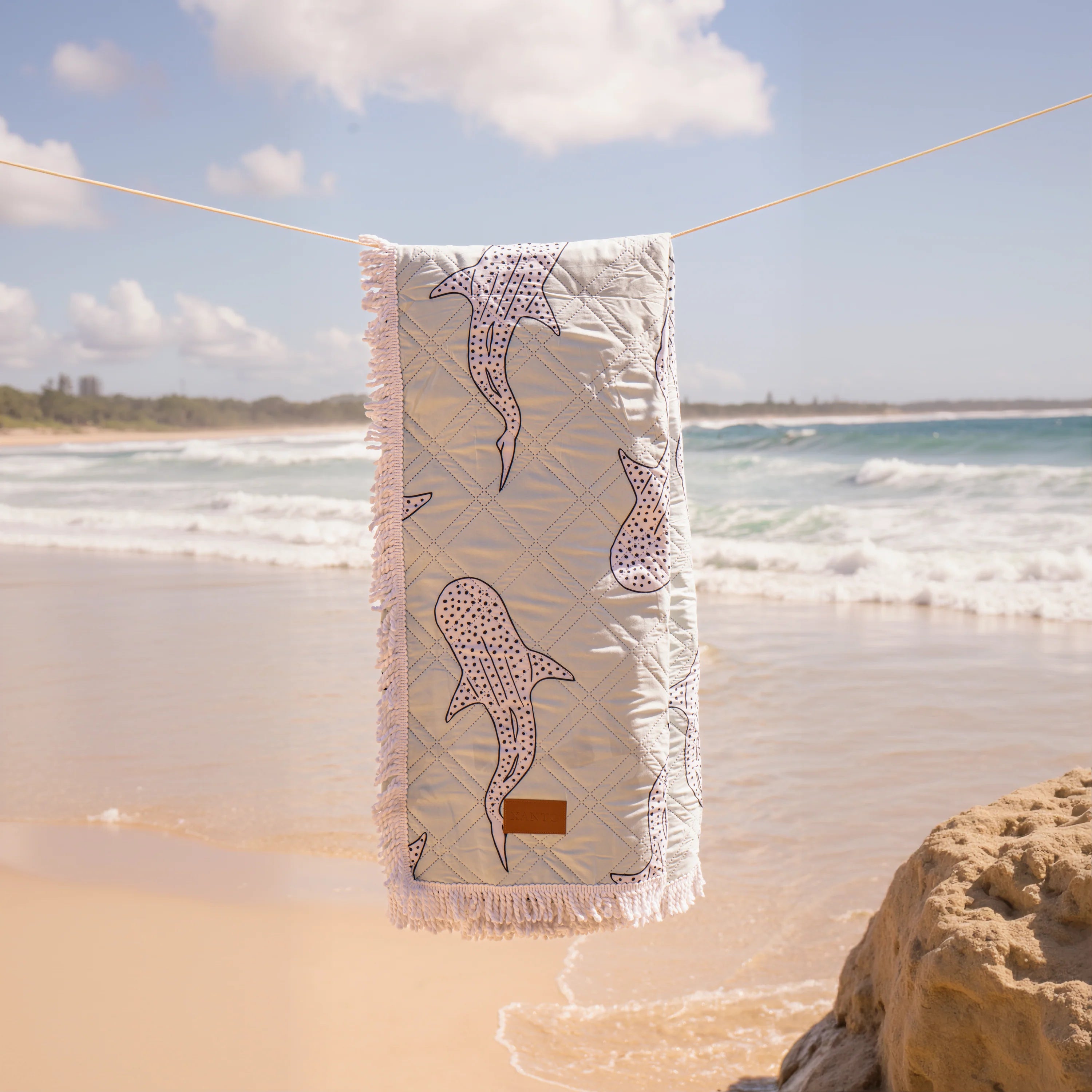
The largest fish in the ocean, whale sharks aggregate seasonally off Ningaloo Reef in Western Australia — one of only a handful of places in the world where predictable in-water encounters are possible.
Whale sharks are filter feeders, entirely harmless to humans, and reach up to 12 metres in length. Swimming alongside one is widely considered one of the most remarkable wildlife experiences in the world.
Best place to see them: Ningaloo Reef, Exmouth, WA. The annual aggregation typically runs from March to July, peaking in April and May. Licensed tour operators use a spotter plane and rigid inflatable boat system to locate and deliver swimmers to the sharks safely. Numbers are strictly limited per animal.
When: March to July, peaking April–May.
Dugongs
The dugong — the real-life inspiration for mermaid myths — is a large, slow-moving herbivore that grazes on seagrass in shallow tropical and subtropical waters. Australia holds approximately 80–85% of the world's remaining dugong population.
Best places to see them:
- Shark Bay, WA — Shark Bay has one of the largest dugong populations in the world, feeding on the vast seagrass meadows in the bay. Snorkelling and boat tours regularly encounter them.
- Moreton Bay, QLD — A significant dugong population lives in the protected seagrass beds of Moreton Bay, accessible from Brisbane. Dugong spotting tours operate from Redcliffe and Manly.
- Torres Strait, QLD — The remote far north holds some of the most intact dugong habitat in Australia, though access is limited.
When: Year-round.
Manta Rays
Oceanic and reef manta rays are regular visitors to Australian waters, particularly around offshore reefs and seamounts.
Best places to see them:
- Lady Elliot Island, QLD — A coral cay at the southern end of the Great Barrier Reef with one of the highest densities of manta rays in the country. Snorkelling and diving encounters are reliable throughout the year.
- Ningaloo Reef, WA — Manta rays are resident at Ningaloo; encounters while snorkelling are common, particularly around the Navy Pier at Exmouth.
- Coral Bay, WA — A small bay with consistent manta ray activity; boat-based snorkelling tours specifically target them.
When: Year-round at Ningaloo; peak December to April at Lady Elliot.
Sea Lions and Fur Seals
Australia has five species of seal and sea lion, with significant colonies at specific locations along the south coast.
Best places to see them:
- Seal Bay, Kangaroo Island, SA — One of Australia's most accessible sea lion experiences. Australian sea lions rest and socialise directly on the beach at Seal Bay, with ranger-guided tours walking among them on the sand. Not a marine park interaction — these are genuinely wild animals.
- Montague Island, NSW — A small island off the south coast near Narooma with a large Australian fur seal colony. Snorkelling and diving with the seals is possible on guided tours from Narooma.
- Jurien Bay, WA — Sea lion encounters while snorkelling are a highlight of the Jurien Bay Marine Park, a relatively accessible location north of Perth.
When: Year-round.
Great White Sharks
Australia is one of the few places in the world where encounters with great white sharks are possible — both in the water on cage diving experiences and from research vessels at key aggregation sites.
Best places to see them:
- Neptune Islands, SA — The most famous great white shark dive site in the Southern Hemisphere. The Neptune Islands Group Marine Park, accessible from Port Lincoln, aggregates large adult white sharks year-round. Cage diving with operators like Rodney Fox Shark Expeditions is one of the most extraordinary wildlife experiences in the country.
- Port Davey, TAS — A remote site in southern Tasmania with significant white shark activity.
When: Year-round at Neptune Islands; peak April–October.
How to Watch Marine Wildlife Responsibly
Close to home or on a structured tour, a few principles apply to all marine wildlife encounters:
- Don't touch. Sea turtles, dolphins, and seals are protected species; physical contact is illegal and harmful.
- Keep distance. Under Australian law, you must stay at least 30 metres from cetaceans (whales and dolphins) unless on a licensed vessel. Respect signage and ranger instructions.
- Choose responsible operators. Look for operators licensed under state or national marine park conditions and signed up to codes of conduct like the Whale Watch Australia Eco-tourism guidelines.
- Don't feed wildlife. Feeding alters natural behaviour and creates dependency. The Monkey Mia dolphin interactions are managed by rangers under a specific protocol — they are not a model for general wildlife feeding.
- Leave nothing behind. Marine debris, particularly plastic, is the single greatest human-caused threat to Australian marine life.
The best wildlife encounters often happen when you're not looking — dolphins surfing alongside you in the water, a sea turtle drifting past while you snorkel, a whale breaching unexpectedly from a headland. Time at the beach, done slowly, is where most of them happen.
Explore the Xanto beach range at xanto.com.au — built for long days on and beside the water.
Read more
The best family beaches in Australia — calm water, good facilities, and things to keep kids engaged all day. A state-by-state guide for parents planning a beach day.
From Bells Beach to Snapper Rocks, Margaret River to Noosa — a guide to Australia's best surf spots for every level, by state.