
How to Choose a Beach Umbrella in Australia | Xanto
How to Choose a Beach Umbrella in Australia (2026 Buyer's Guide)
A beach umbrella seems like a simple purchase. It's not. Buy the wrong one and you'll spend the summer fighting with a flimsy pole that won't stay in the sand, squinting because the canopy is too small, or packing it away after one use because the whole thing snapped in a gust.
This guide walks through everything that actually matters when choosing a beach umbrella in Australia — and what to look past.
Why a Beach Umbrella Matters More Than You Think
Australia has some of the highest UV radiation levels in the world. The UV index regularly hits 11+ during summer — classified as "extreme" — and even on overcast days, UV can be dangerously high. Sitting in direct sun for a full beach day without shade significantly increases your UV exposure even if you're wearing sunscreen.
A quality beach umbrella is shade infrastructure. Done right, it transforms a beach day: you stay cooler, your skin is protected, and you can stay out longer without the discomfort of full sun exposure.
What to Look For
1. UPF Rating
UPF (Ultraviolet Protection Factor) is the fabric equivalent of SPF. It tells you how much UV radiation the canopy blocks.
Look for a minimum UPF 50+ rating, which blocks 98% of UV rays. Anything lower isn't providing meaningful sun protection in Australian conditions. Note that UPF ratings apply to the fabric only — edges and gaps still let light through, so position matters too.
2. Canopy Size
Bigger is almost always better, up to a practical limit. A canopy that's too small leaves people half in, half out of the shade and shifts quickly as the sun moves.
As a general guide:
- Solo or couple: 180–200 cm diameter
- Family or group: 220 cm+ diameter
Wider canopies also provide better side shading in the late afternoon when the sun is lower and coming at more of an angle.
3. Wind Resistance
Wind is the number one cause of beach umbrella failure — and the risks go beyond inconvenience. An umbrella that becomes airborne on a beach is a genuine hazard.
Look for umbrellas with:
- A tilt mechanism — allows you to angle the canopy into the wind rather than presenting it face-on
- Vent holes at the top of the canopy — these release air pressure and significantly reduce the chance of the umbrella becoming a sail
- A heavy-gauge pole — thin poles flex and snap under load
4. Pole and Anchor System
How an umbrella goes into the sand matters as much as the umbrella itself.
A good pole should be at least 220 cm long — shorter poles don't go deep enough to hold in softer sand. The base of the pole should have a screw or auger tip that twists into the sand rather than just being pushed straight down. Screw-in anchors hold dramatically better in any kind of wind.
Some umbrellas come with sand anchors or ground pegs for extra stability. If you regularly use your umbrella on beaches with fine, loose sand, a supplementary anchor is worth having.
5. Portability
You're carrying this to the beach. Weight, pack size, and carry system all matter.
A quality beach umbrella should:
- Weigh under 2 kg
- Break down to a manageable carry length (typically 90–110 cm)
- Come with a carry bag or sleeve
Avoid umbrellas with fiddly assembly — if it takes more than a minute to set up, you won't bother on tiring days.
6. Blanket Compatibility
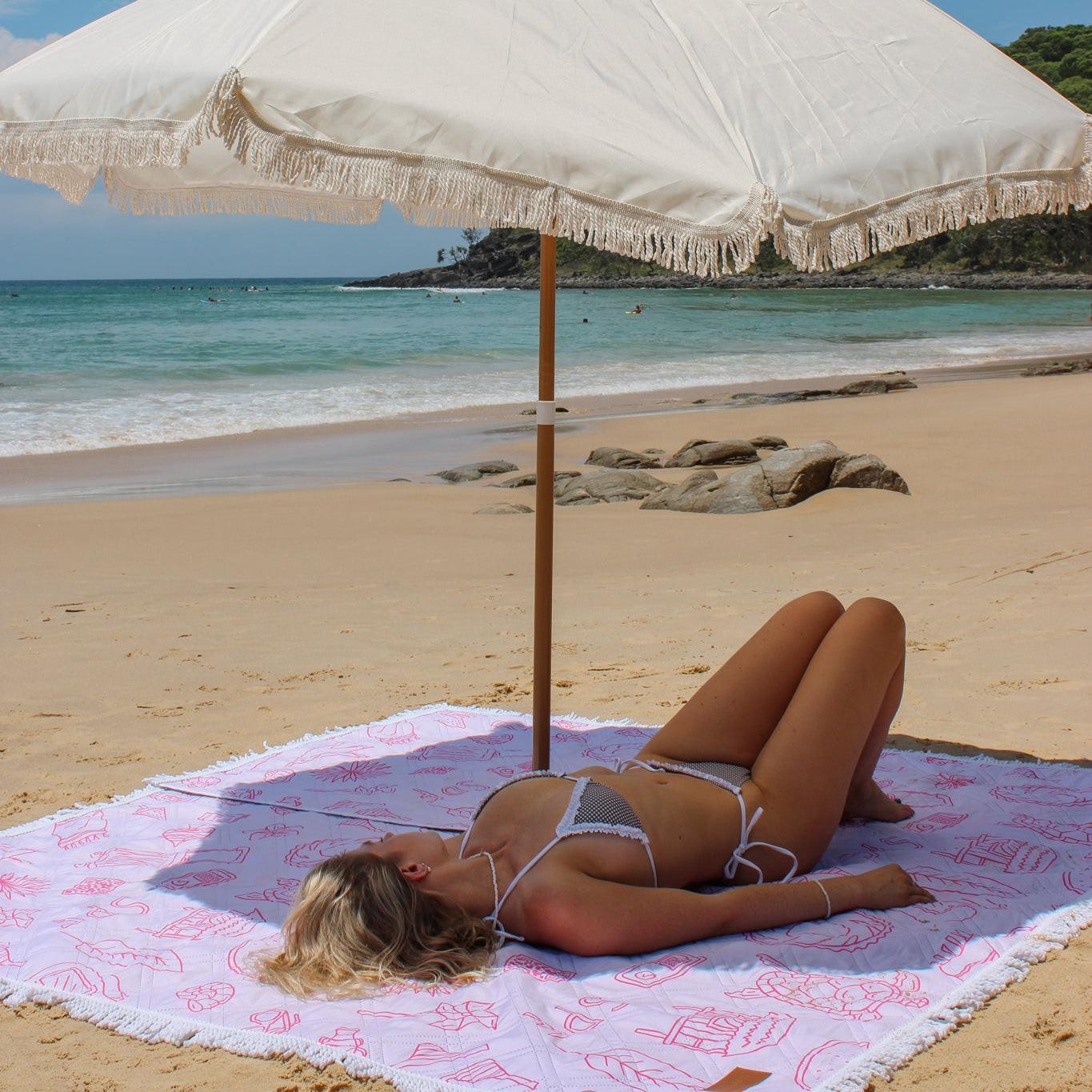
Most beach blankets have no umbrella opening at all. That means your blanket ends up off to one side of the pole rather than centred beneath it — which defeats the purpose of having shade in the first place. You're either shuffling the blanket around a planted pole or planting the pole through a small central hole and hoping it holds.
The Xanto XO Beach Blanket takes a different approach. A patented velcro slit runs from the centre pole opening to the blanket's edge, letting you slide it straight onto an already-planted umbrella pole in seconds. You get full coverage under the canopy, with none of the setup fuss.
Canopy Materials: What the Difference Is
Polyester is the most common canopy material. It's lightweight, affordable, and available in a wide range of prints and colours. Quality varies significantly — look for polyester with a high thread count and a confirmed UPF 50+ rating rather than assuming coverage.
Nylon is lighter than polyester and typically more durable, but also more expensive. Good for regular use.
Olefin (also sold as polypropylene) is more UV-resistant than polyester and holds its colour better over time. Used in higher-end outdoor products.
Canvas or cotton — avoid for beach use. Heavy, slow to dry, and doesn't offer meaningful UV protection.
Common Mistakes to Avoid
Buying based on looks alone. Plenty of beautiful beach umbrellas are flimsy and poorly anchored. The canopy pattern won't matter when it's 20 knots and your umbrella is heading down the beach.
Ignoring the tilt mechanism. A fixed umbrella without tilt can only provide overhead shade. As the sun moves through the day, a non-tilt umbrella becomes useless for the people sitting to the sides.
Underestimating size. A single person in direct Australian sun needs more than a small parasol. Go bigger than you think you need.
Not anchoring properly. The umbrella needs to be in the sand at an angle — leaning slightly into the wind — and as deep as the pole allows. Many beach injuries from errant umbrellas come from poles planted only 15–20 cm deep.
Beach Umbrella Setup: A Quick Guide
- Identify wind direction — you'll angle the umbrella into it
- Screw the pole into the sand at roughly a 45-degree angle, leaning into the wind
- Go as deep as the pole allows — minimum 30 cm, ideally 40+ cm
- Open the canopy and tilt it to face the sun, with the vent at the top
- Check stability — give the pole a firm shake; if it moves easily, go deeper
- Lay your blanket — slide it onto the pole if you're using a slotted blanket like the XO Beach Blanket
Re-check anchoring any time the wind picks up.
The Bottom Line
A good beach umbrella is a genuine investment in how you use the beach. In Australian conditions, shade isn't optional — it's the difference between a comfortable full day and cutting it short by noon.
Look for UPF 50+, a proper screw-in anchor, a tilt mechanism, and a canopy big enough to actually cover your group. The rest is personal preference.
Xanto's beach umbrella range is coming soon to xanto.com.au — designed for Australian conditions and built to last a proper Australian summer.
Read more
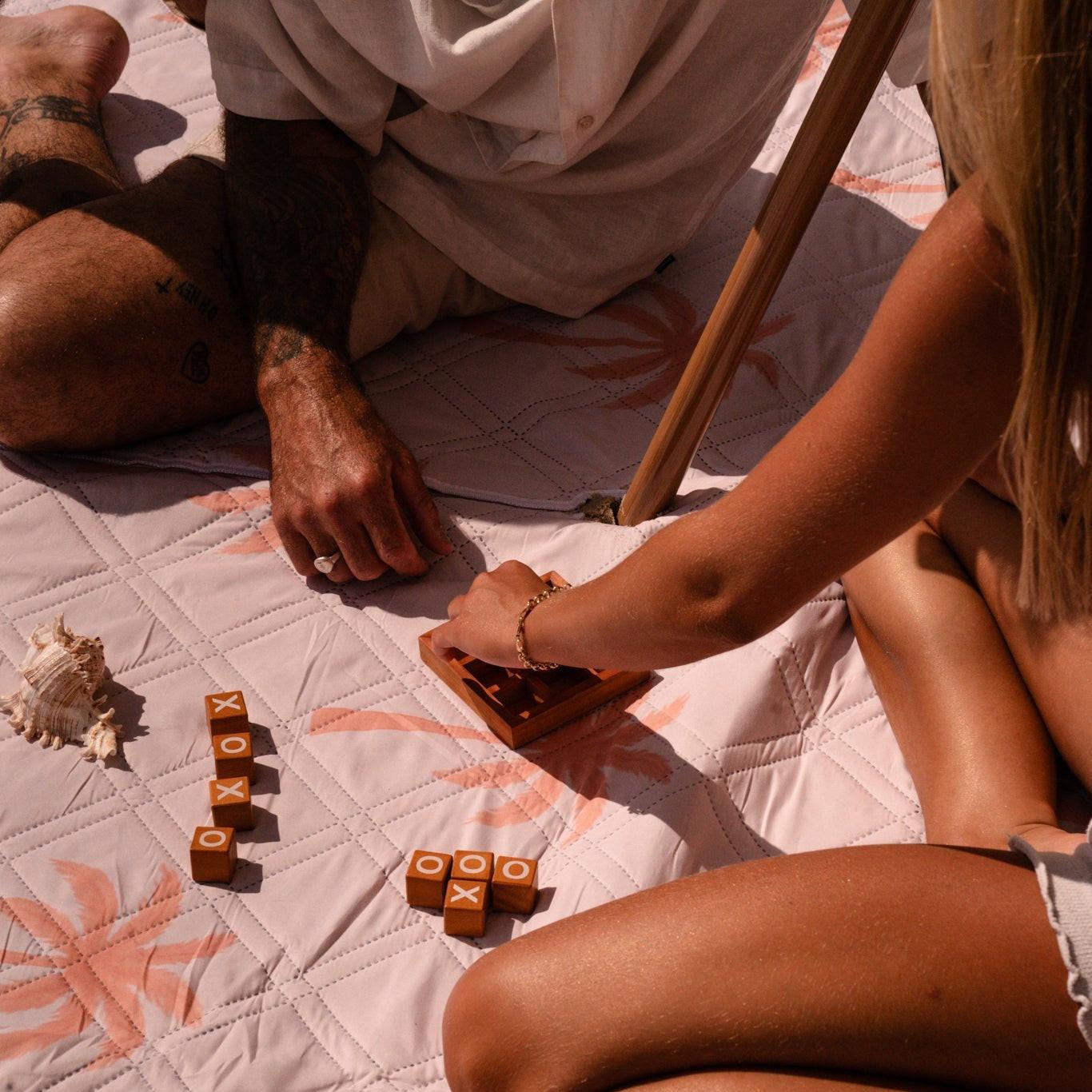
From Sydney Harbour foreshores to Queensland hinterland lookouts — a state-by-state guide to Australia's best picnic spots and what to bring for the perfect setup.
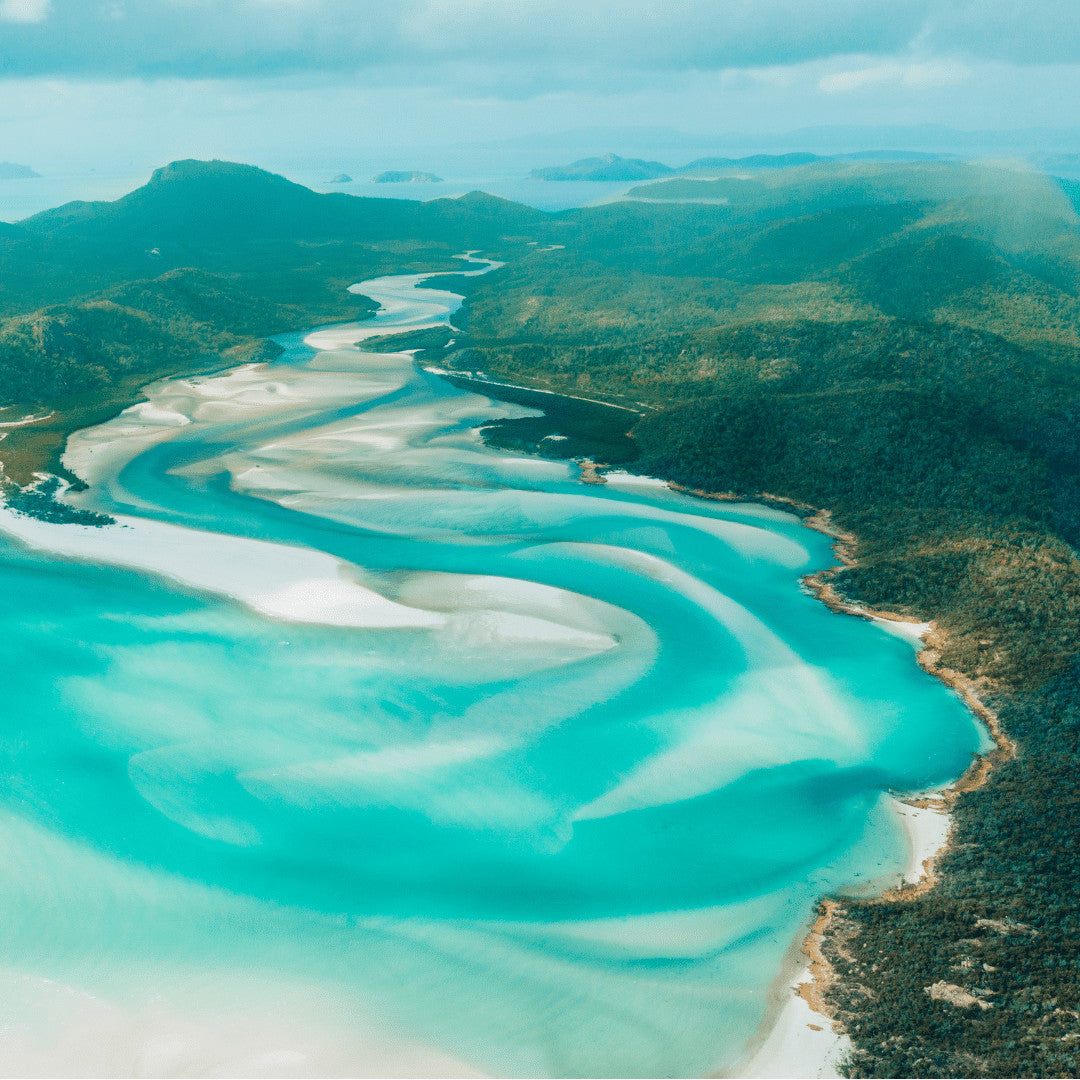
From Whitehaven to Cottesloe, Byron to the Mornington Peninsula — a guide to Australia's best beaches by state, and what makes each one worth the trip.