

Best Winter Beach Destinations in Australia (June–August)
The Best Winter Beach Destinations in Australia (June to August)
Most people think of the beach as a summer thing. In Australia, that assumption leaves a lot of the country's best beach experiences on the table. Winter in the tropics and subtropics is warm, dry, and clear — the best time of year at some of the country's finest destinations — and even in southern states, a winter beach day has its own particular pleasures.
Here's a guide to the best winter beach destinations in Australia, by region.
Why Winter Is Actually Great for Beaches
No crowds. The summer beach scramble — packed car parks, umbrella territory disputes, queues for coffee — disappears almost completely in winter. The same beach that's shoulder to shoulder in January is often virtually empty in July.
Lower UV. Winter UV in southern states is significantly lower than summer, and more manageable in the tropics too. Longer time outdoors with less sunscreen anxiety.
Whale season. June to November is Australia's whale migration season on both coasts. Winter is peak whale watching.
Better surf. Southern swells in winter produce cleaner, more consistent surf conditions on exposed east and west coast beaches.
Clearer water. In many locations, winter brings cleaner, clearer ocean water as summer storm runoff and algal blooms subside.
The trade-off — colder water in southern states — is real but manageable with a wetsuit, and irrelevant in the tropics.
Tropical North Queensland: The Best Winter in Australia
Port Douglas and Cairns
Winter conditions: 25–28°C days, low humidity, clear skies, calm seas
The dry season in North Queensland (May to October) is the best time of year to visit, full stop. The wet season (November to April) brings stingers, heavy rain, and oppressive humidity. Winter delivers perfect conditions: warm, dry, clear, and with calm seas that make reef trips significantly better.
The Great Barrier Reef is at its most accessible in winter — calm conditions mean day trips from Cairns and Port Douglas are comfortable and the underwater visibility is excellent. Four Mile Beach in Port Douglas on a clear July morning, with the mountains of the Daintree behind and the Coral Sea in front, is one of the finest winter beach scenes in the country.
Don't miss: Outer reef snorkelling or diving, the Daintree Rainforest, Cape Tribulation.
The Whitsundays
Winter conditions: 24–26°C days, trade winds, occasional chop on the passage
The Whitsundays are excellent year-round but the trade winds of winter create the sailing conditions the region is built for — consistent 15–20 knot breezes that make sailing between the islands a genuine pleasure. Whitehaven Beach is at its most beautiful in winter light. Whale season (July to September) brings humpbacks to the passage.
The Kimberley and Broome, WA
Cable Beach, Broome
Winter conditions: 28–32°C days, dry, minimal humidity
Broome in winter (May to October) is one of the finest beach town experiences in Australia. The wet season (November to April) brings cyclone risk, humidity, and marine stingers. Winter delivers warm, dry, and spectacular conditions.
Cable Beach — 80 kilometres of red pindan sand meeting the Indian Ocean — is at its best in the golden hour light of a winter afternoon. The Staircase to the Moon phenomenon, when a full moon rises over the tidal mudflats near town creating an optical illusion of a staircase to the moon, occurs on three evenings around each full moon from March to October.
Don't miss: Camel rides on Cable Beach at sunset, the Staircase to the Moon, Gantheaume Point, and a day trip to Willie Creek Pearl Farm.
The Kimberley Coast
Winter conditions: 28–34°C days, very low humidity, calm seas
The Kimberley coast — accessible by boat, seaplane, or 4WD — is one of the most remote and extraordinary coastal landscapes in the world. Horizontal Falls, the Buccaneer Archipelago, Montgomery Reef (which "emerges" from the sea as the tide drops), and the white sand beaches of the Lacepede Islands are all best experienced on a live-aboard boat tour during the dry season. Not a casual beach day destination, but among the most spectacular coastal experiences Australia has to offer.
Ningaloo Reef and Exmouth, WA
Winter conditions: 22–26°C days, clear skies, calm seas
Ningaloo Reef is excellent year-round, but the combination of whale shark season (March to July) and the transition into the dry season makes April to July a particularly compelling window. By June and July, whale sharks have moved on but humpback whales have arrived — the Exmouth Gulf sees large numbers of humpbacks from June to October.
Cape Range National Park and the beaches at Turquoise Bay and Oyster Stacks are quieter in winter than in the school holiday peak, and the snorkelling conditions are consistently good. Water temperature around 22–24°C in July is comfortable in a 3mm wetsuit.
Southeast Queensland and Northern NSW
Noosa, Sunshine Coast
Winter conditions: 20–23°C days, low humidity, occasional rain
Noosa's subtropical climate makes it genuinely pleasant in winter — warm enough for beach days, cool enough for comfortable outdoor activity. The national park walks, the Noosa Everglades, and the farmers markets all benefit from winter's comfortable temperatures. The beach and the point breaks are at their most consistent in the winter swell season.
Byron Bay
Winter conditions: 18–22°C days, dry, reliable surf
Byron in winter is what locals call the best time. The crowds of summer have gone, the weather is consistently good (warm days, cool evenings), and the swell is more reliable. The whale migration passes directly along the Cape Byron headland from June to October — daily sightings from the lighthouse are common.
Water temperature (around 19–21°C in July) is cool but swimmable for those accustomed to it; a spring suit or 2mm wetsuit makes it comfortable.
Southern States: A Different Kind of Winter Beach
Great Ocean Road, VIC
Winter conditions: 10–15°C days, green hills, dramatic swell
The Great Ocean Road in winter is a completely different experience from the summer tourist trail. The Otway Ranges are vividly green, the surf at Bells Beach and the exposed coast is powerful and photogenic, and the towns along the route — Lorne, Apollo Bay — are quiet, uncrowded, and in many ways at their best.
Swimming is for the committed (water temperature around 13°C), but walking, whale watching, and the sheer drama of the Southern Ocean in a winter swell is genuinely compelling. Port Fairy in winter, with its bluestone streets and harbour, is one of Victoria's best cold-weather coastal experiences.
Mornington Peninsula, VIC
Winter conditions: 10–15°C days, cold water, quiet beaches
The Mornington Peninsula hot springs are a distinctly winter experience — soaking in geothermal pools above the coastline on a cool evening is one of Victoria's best cold-weather activities. Combine with a beach walk, a winery lunch, and an overnight stay in Sorrento or Portsea.
What to Pack for a Winter Beach Trip
Even in tropical destinations, a few winter-specific additions make sense:
For tropical destinations (QLD north, Kimberley, Ningaloo): - Standard summer beach kit — the weather is warm - A light long-sleeve layer for evenings (it cools down more than expected) - A wetsuit or rash vest for extended snorkelling (water is slightly cooler than summer)
For subtropical destinations (Byron, Noosa): - A 2mm spring suit or wetsuit for swimming - A light jacket for evenings - Otherwise, standard beach gear — days are warm
For southern state winter beach days: - A proper warm layer - Wind protection (Great Ocean Road and exposed southern beaches can be very windy) - The beach umbrella still earns its place for wind shelter as much as sun
The XO Beach Blanket is as useful on a winter beach as a summer one — the sand-free surface and compact pack size mean it's worth bringing regardless of season.
Shop the full Xanto beach range at xanto.com.au — shipped from Byron Bay.
Read more

From Byron Bay to Dunsborough, Noosa to Lorne — a guide to Australia's best beach towns, what makes each one special, and what it's actually like to spend time there.
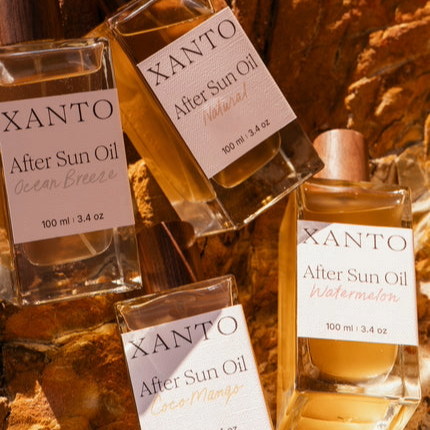
Discover why after sun oil outperforms lotions for Australian skin. A practical guide to choosing, using and getting the most from your post-beach skincare routine.