
Beach Safety in Australia: Everything You Need to Know
Beach Safety in Australia: What You Need to Know
Australia has some of the world's best beaches — and some of the world's most significant beach hazards. Rip currents, powerful surf, extreme UV, jellyfish stingers, and marine life all require awareness. The good news is that most beach incidents in Australia are preventable with basic knowledge and a few sensible habits.
Here's a comprehensive guide to staying safe at the beach in Australia.
Rip Currents: The Biggest Risk
Rip currents are responsible for more beach rescues and drownings in Australia than any other hazard — around 21 deaths per year on average, and thousands of rescues. Understanding them is the single most important piece of beach safety knowledge.
What is a rip?
A rip current is a narrow, fast-moving channel of water flowing away from shore, typically cutting through the breaking waves. When waves break and push water toward shore, that water needs somewhere to go. It flows along the beach until it finds a gap — between sandbars, through channels, or near headlands — and then flows back out to sea. This outward flow is the rip.
How to spot a rip
Rips are often identifiable if you know what to look for:
- Darker water in a channel between areas of breaking white water
- Choppy, disturbed surface in the channel — often with small, irregular waves compared to the organised breaking waves on either side
- Foam or debris moving seaward through the channel
- Discoloured water — rips stir up sand from the seabed, sometimes creating a brownish tint
If you're unsure, watch the beach for a few minutes before entering the water. The pattern of breaking waves usually makes channels (and therefore rips) visible.
What to do if you're caught in a rip
- Don't panic. A rip won't pull you under — it will carry you away from shore. Most people who drown in rips do so from exhaustion after fighting the current directly.
- Don't swim against the rip. You will tire faster than the current weakens.
- Swim parallel to the shore until you are out of the rip channel, then swim back to the beach at an angle.
- If you can't get out, float and signal. Stay calm, raise one arm, and wait for help. This is how the surf lifesaver system works — they can see you and will come.
Swim between the flags
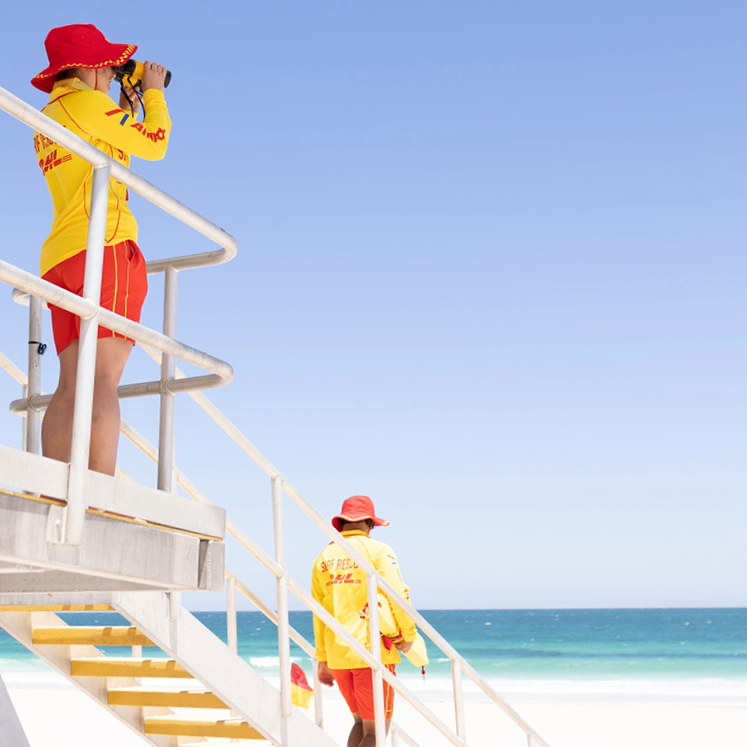
Surf Life Saving Australia patrols hundreds of beaches on weekends and public holidays throughout the summer season. The red and yellow flags mark the safest area of the beach — a patrolled zone chosen specifically because it avoids the worst rips and hazards. Always swim between the flags when they're present.
Surf and Shore Break
Shore break
Shore break is a wave that breaks directly onto the sand rather than in deeper water. It can be extremely powerful — enough to break bones or cause spinal injuries on steep beaches with heavy dumping waves. Signs of dangerous shore break: waves that seem to disappear until they're almost at the sand, then crash vertically. Enter the water cautiously and don't dive headfirst into shore break.
Surf sizing
Australian surf conditions are often significantly more powerful than they appear from the beach. A "small" day at a surf beach can still generate waves of genuine force. If you're not an experienced ocean swimmer, err well toward caution — the energy of moving water in even a modest swell is considerable.
UV and Sun Safety
Australian UV is extreme. The UV index regularly exceeds 11 (the "extreme" threshold) during summer across most of the country. Skin damage from UV exposure accumulates over time and is the primary driver of Australia's very high skin cancer rates.
Full sun protection at the beach means:
- SPF 50+ sunscreen, applied 20 minutes before sun exposure and reapplied every two hours and after swimming
- Broad-brim hat (minimum 7 cm brim) providing shade for face, ears, and neck
- UPF 50+ rash vest or shirt for extended sun exposure
- Polarised UV400 sunglasses
- Shade from a beach umbrella during peak UV hours (10am–3pm)
See our full sun safety guide for a detailed breakdown.
Marine Stingers (Jellyfish)
Box jellyfish and Irukandji
The two most dangerous jellyfish in Australian waters are found in tropical waters north of roughly Bundaberg in QLD and Exmouth in WA — primarily from October to May (the "stinger season").
Box jellyfish (Chironex fleckeri) are large (up to 30 cm bell, with tentacles up to 3 metres) and their sting can be fatal within minutes. They are found in calm, shallow water near beaches.
Irukandji (Carukia barnesi and related species) are tiny (thumbnail-sized) and nearly invisible in the water, making them particularly dangerous. Their sting causes a delayed, severe syndrome called Irukandji syndrome — extreme pain, nausea, hypertension, and in rare cases, death.
What to do in tropical waters:
- Swim at patrolled beaches with stinger nets during stinger season
- Wear a full-body lycra stinger suit if swimming outside netted areas
- If stung by a suspected box jellyfish, call 000 immediately and apply vinegar (not fresh water, not urine) to the affected area
- If stung by a suspected Irukandji and symptoms develop (back pain, nausea, sweating), seek emergency medical attention immediately
Bluebottles (Portuguese man o' war)
Bluebottles are common along the east coast, particularly after north or northeast winds blow them onshore. They have a distinctive blue float and trailing tentacles and are easily visible in the water and on the beach.
Their sting is painful but not dangerous for most people. If stung:
- Remove tentacles with a stick or card (not your fingers)
- Rinse the area with seawater (not fresh water, which can worsen the reaction)
- Apply heat — hot water (as hot as tolerable) is the most effective relief
- If the person has a known allergy or the reaction appears severe, seek medical attention
Moon jellyfish
The large, translucent jellyfish common in southern Australian waters. Their sting is mild and usually causes only minor skin irritation. Still best avoided.
Blue-Ringed Octopus
Small (golf-ball sized), found in rock pools and shallow reef areas around the entire Australian coastline. Brown and patterned at rest; displays vivid iridescent blue rings when threatened.
The blue-ringed octopus carries enough tetrodotoxin to kill an adult human. There is no antivenom. Its bite is painless, which makes it particularly dangerous — symptoms (muscle paralysis, respiratory failure) begin within minutes.
Never pick up any small octopus in Australian waters. If someone is bitten, call 000 immediately and apply pressure-immobilisation first aid to the bite site.
Sharks
Australia averages around 15–20 shark bites per year, with 1–3 fatalities. While rare in absolute terms, several precautions reduce risk:
- Don't swim at dawn, dusk, or night — sharks are more active in low-light conditions
- Avoid swimming near river mouths or channels where baitfish congregate
- Don't swim with bleeding cuts or open wounds
- Leave the water if fish are schooling or acting erratically
- Stay in groups — sharks are more likely to approach lone swimmers
- Check for shark alerts before entering the water. NSW, QLD, and WA have shark tracking apps (SharkSmart in WA, Dorsal in NSW/QLD) that provide real-time alert data from tagged sharks
Many popular beaches in NSW and QLD have shark nets installed — these reduce (but don't eliminate) shark encounter risk.
Sandbanks and Drop-offs
Popular beach hazards that aren't always obvious:
Sandbars shift with tide and swell. A sandbar that was knee-deep yesterday may have a channel behind it that's three metres deep today. Don't assume the depth profile you remember is current.
Tidal channels between sandbars can have strong current and surprising depth — particularly hazardous for children.
Beach Safety with Children
Children are the highest-risk group for beach incidents. Specific precautions:
- Stay within arm's reach of children under 5 in any water, including pools and shallow beach areas
- Never leave children unattended near the water, even briefly
- Teach children to recognise flags and the "float and signal" response to being caught in a rip
- Apply sunscreen first — children's skin burns faster than adults' and they're less likely to notice until the damage is done
- Water shoes for reef and rock areas
Emergency Numbers and Resources
- Emergency (ambulance, rescue): 000
- Surf Life Saving Australia: 131 330 (non-emergency beach safety information)
- Poison Information Centre: 13 11 26 (for marine stings and bites)
- SharkSmart (WA): sharksmart.com.au
- Dorsal (NSW/QLD): dorsalapp.com
- UV Index forecast: bom.gov.au or the SunSmart app
A safe beach day is a better beach day. Taking five minutes to understand the conditions before you enter the water is a habit that makes a real difference.
Shop the full Xanto beach range — including our after sun oil — at xanto.com.au.
Read more
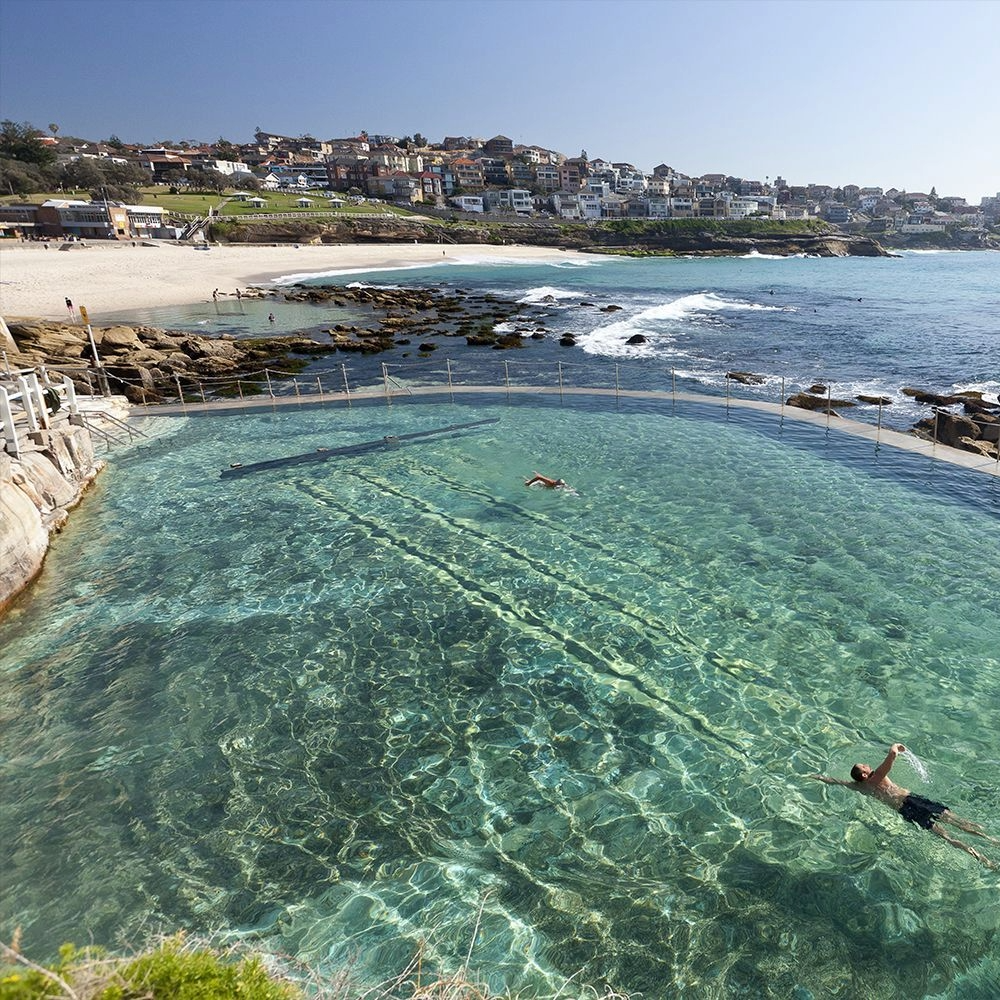
Rock pooling is one of Australia's great coastal activities. A guide to what lives in Australian rock pools, the best spots to explore, and how to do it responsibly.

A beach umbrella that won't stay in the sand is a hazard, not a help. How to plant, angle, and anchor your beach umbrella properly so it holds in wind.